Evaluation vs racing day

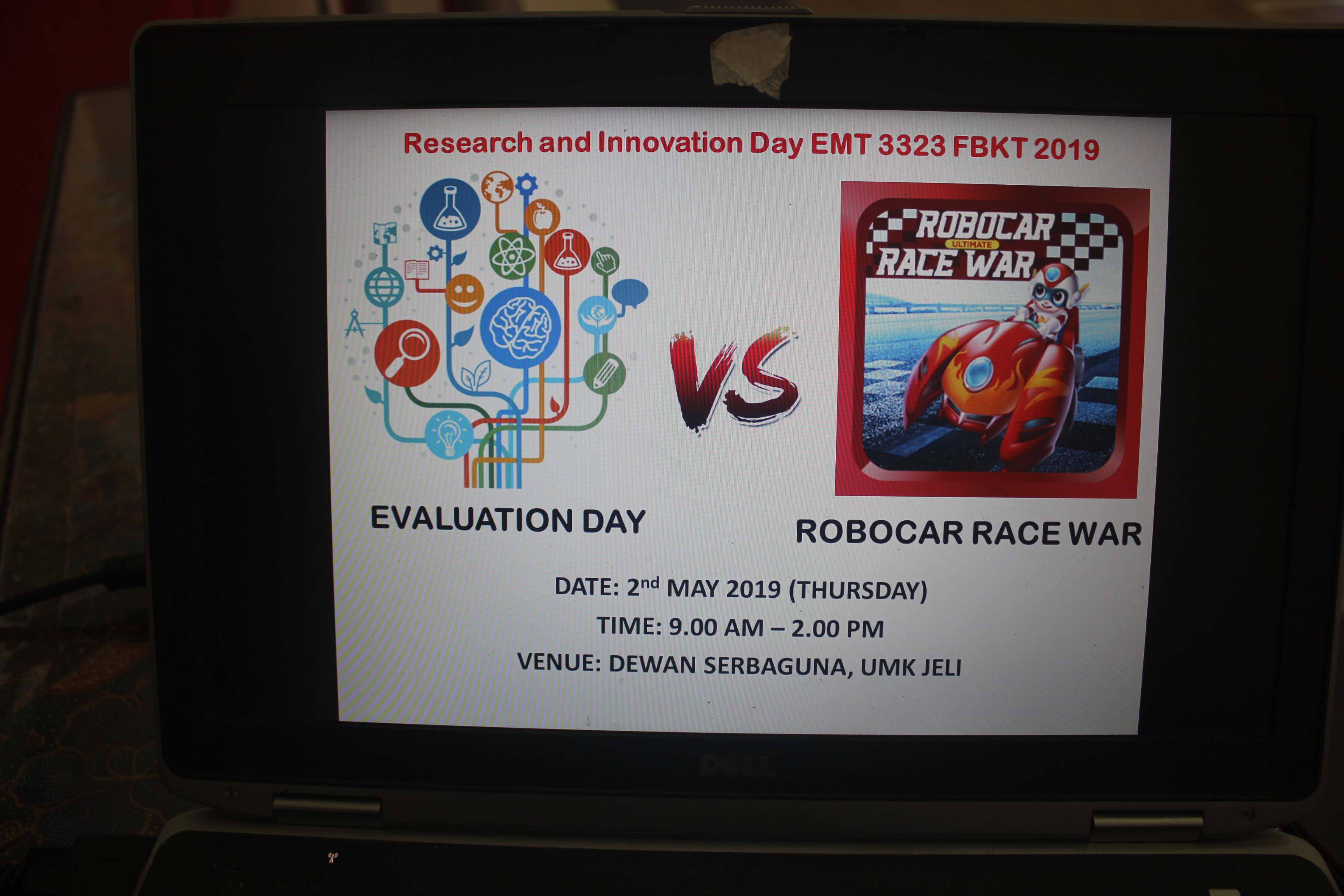
It was the day that being awaited by SEB 3. It was the day to show the ability of every groups” robocar in terms of speed and also design. All of the robocar design were so creative and stylish. Let see which group will be a winner. Maybe our group ? Who knows…..
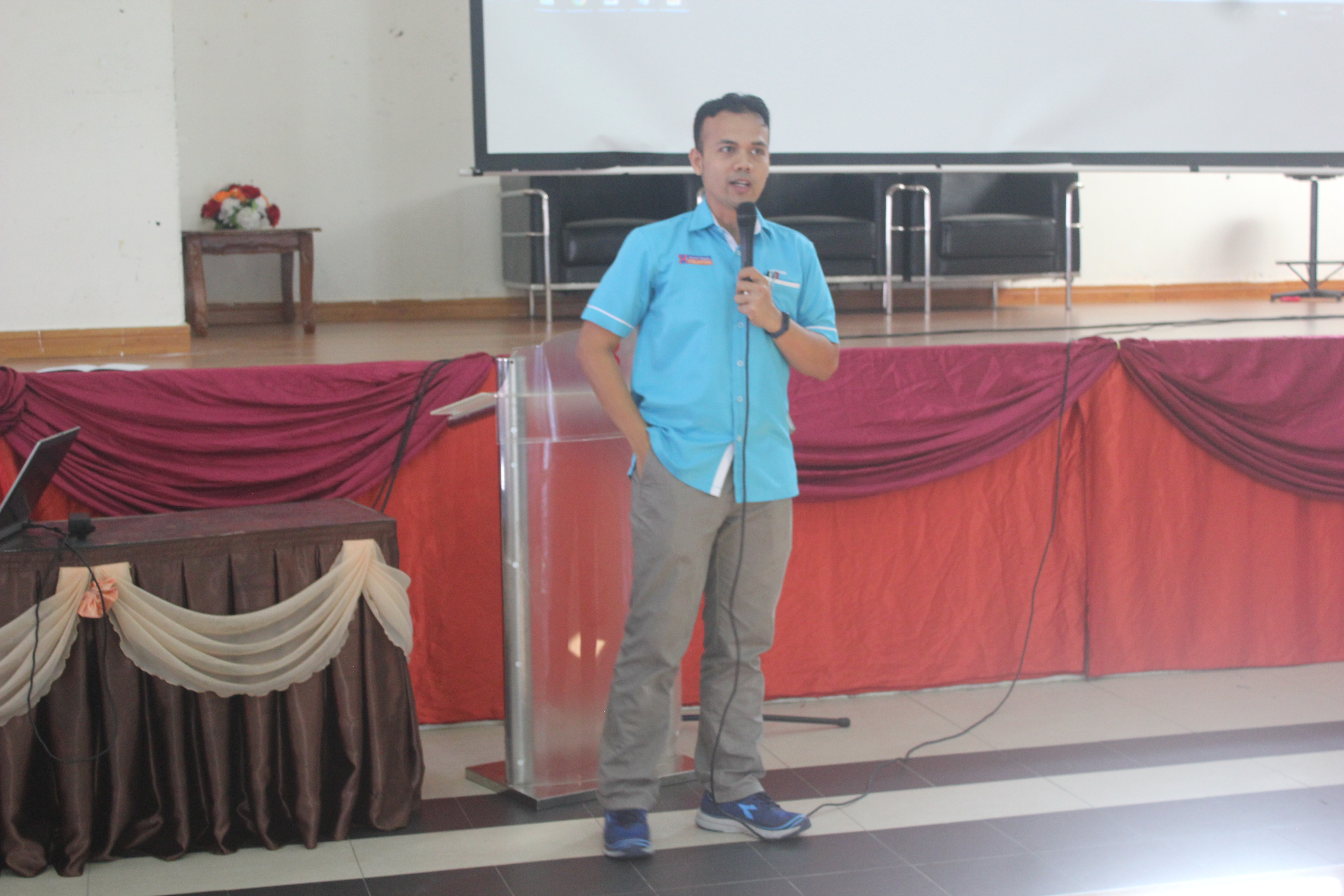
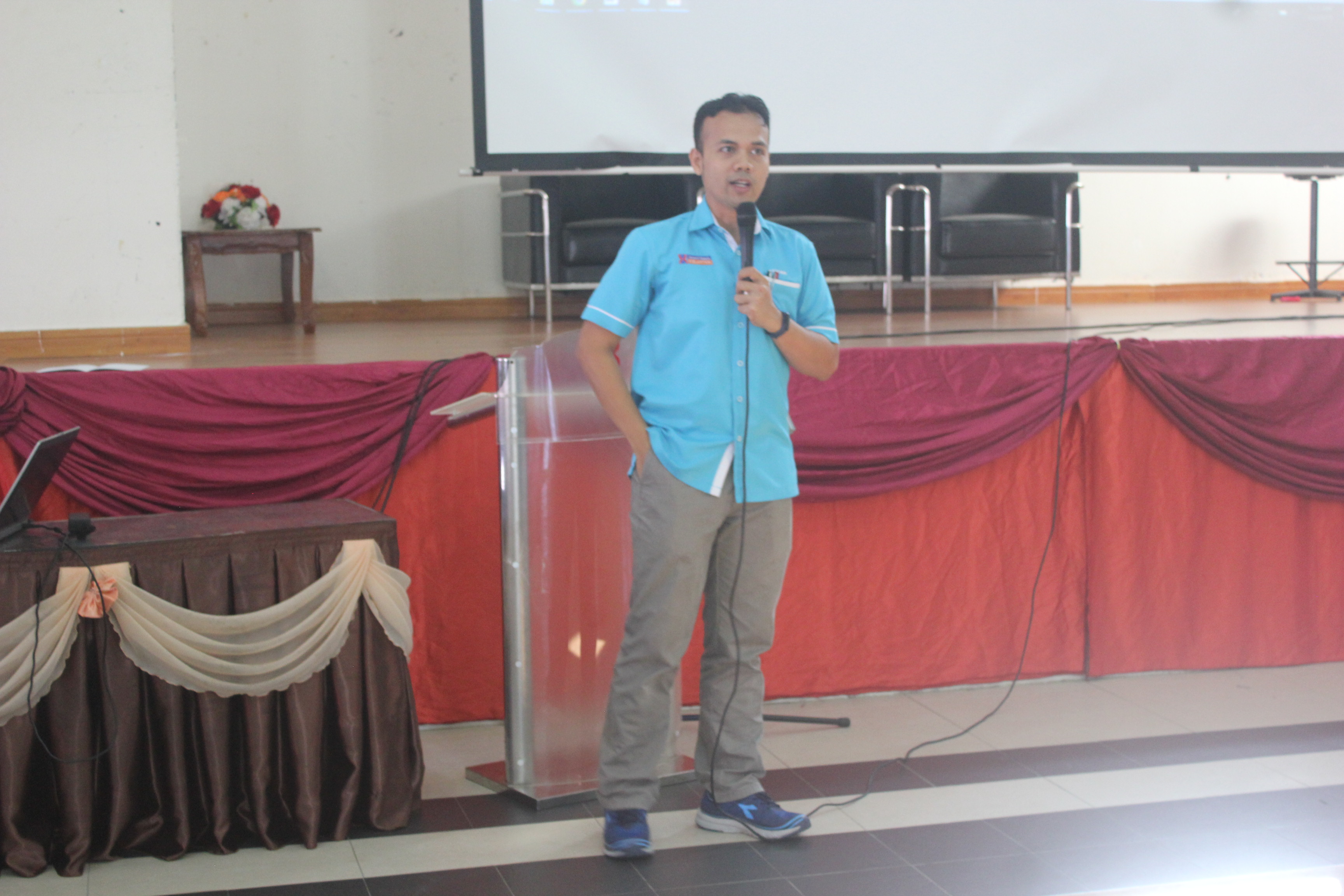
As we can see in the figure above, the briefing session of the evaluation day was carried out by our favourite lecturer, Dr Hakimin. Dr Hakimin had briefed us about the rules and how the winner will be selected.
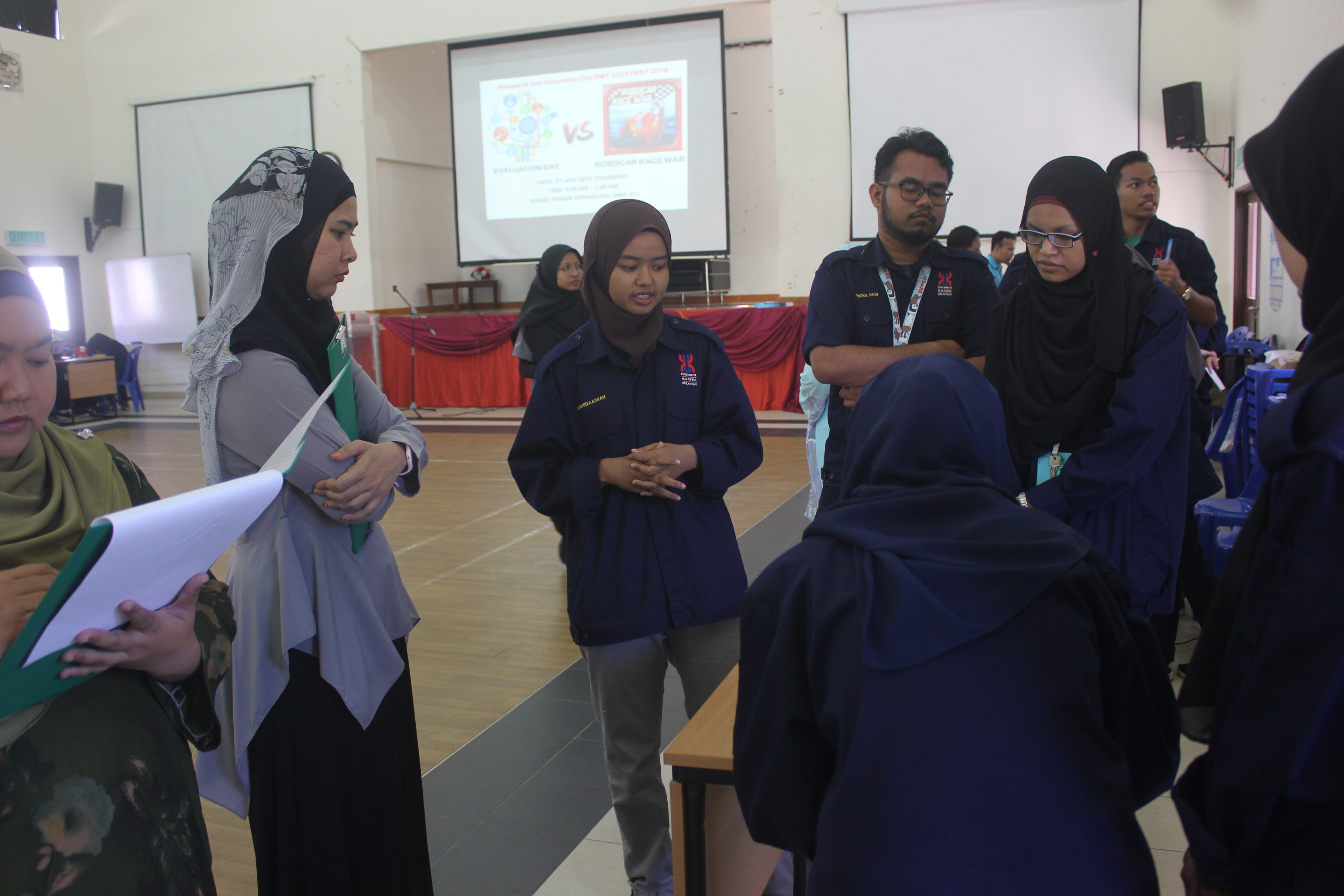
The figure above shows the evaluation session of our group which was evaluated by Dr Arlina and Dr Nurul. As we can see, Syahida was busy explained about our project to Dr Arlina. Dr Arlina was so focus listening to her explanation.
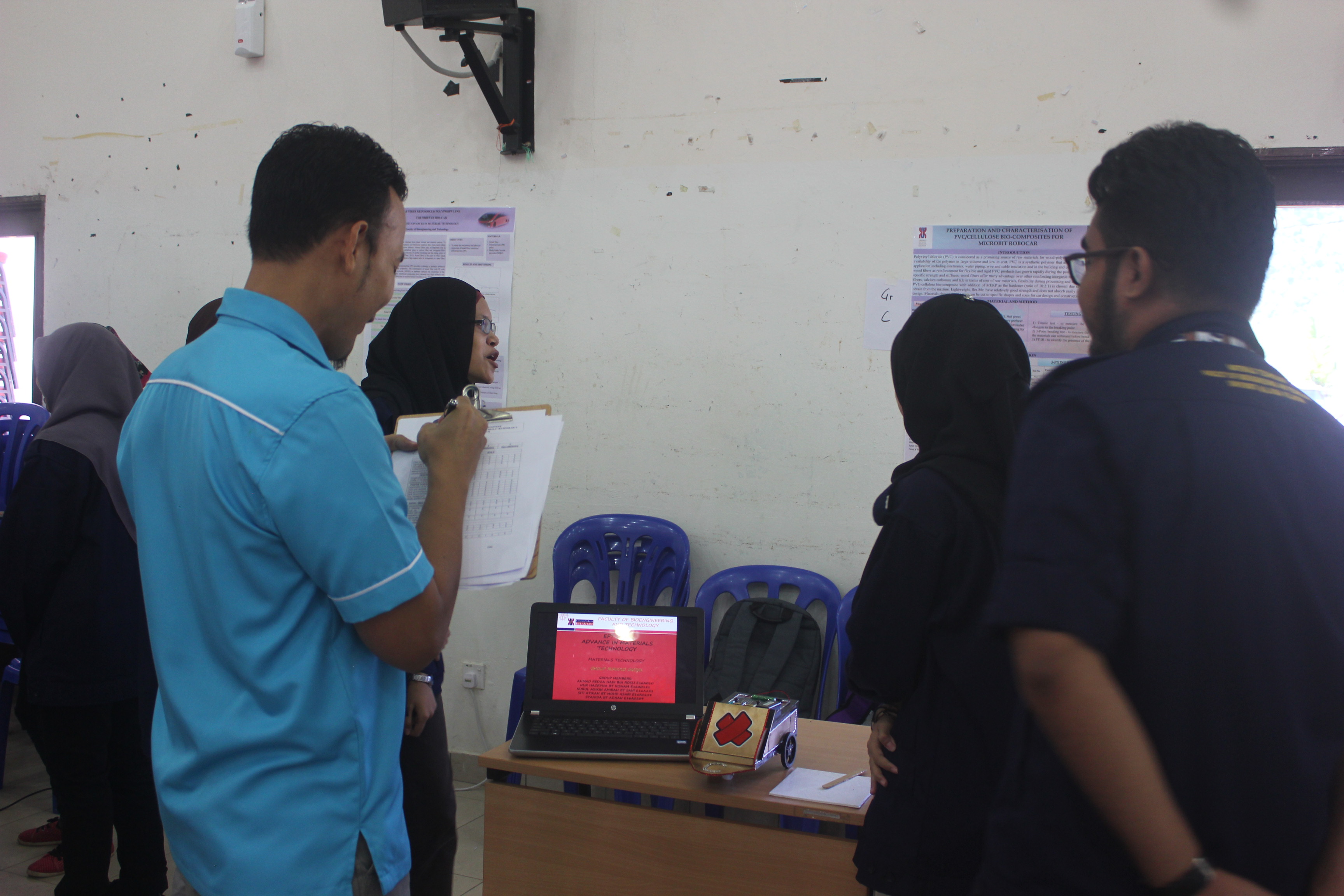
The figure above shows the evaluation session by Dr Hakimin. He was so excited listening to our presentation. Dr Hakimin said that he was satisfied with our poster, presentation and the most important part is that, Dr Hakimin was so amazed with our robocar design. Just look at Dr Hakimin’s face; he was smiling while listening to our presentation.
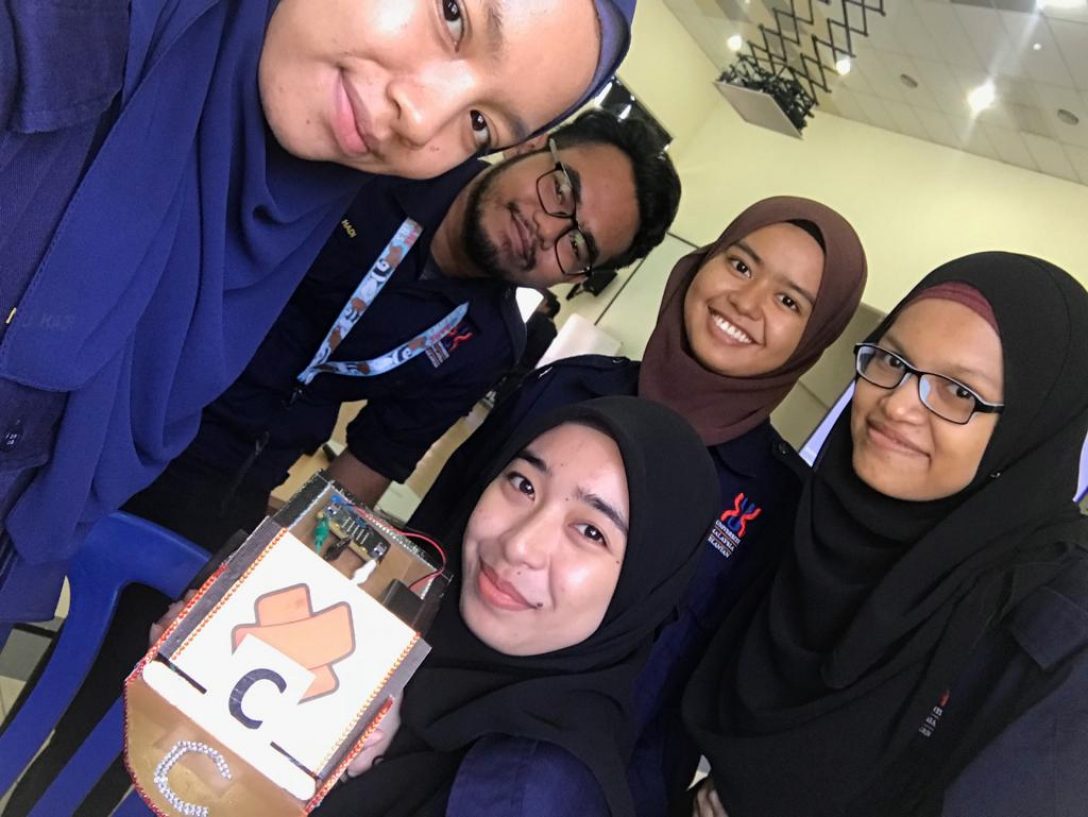
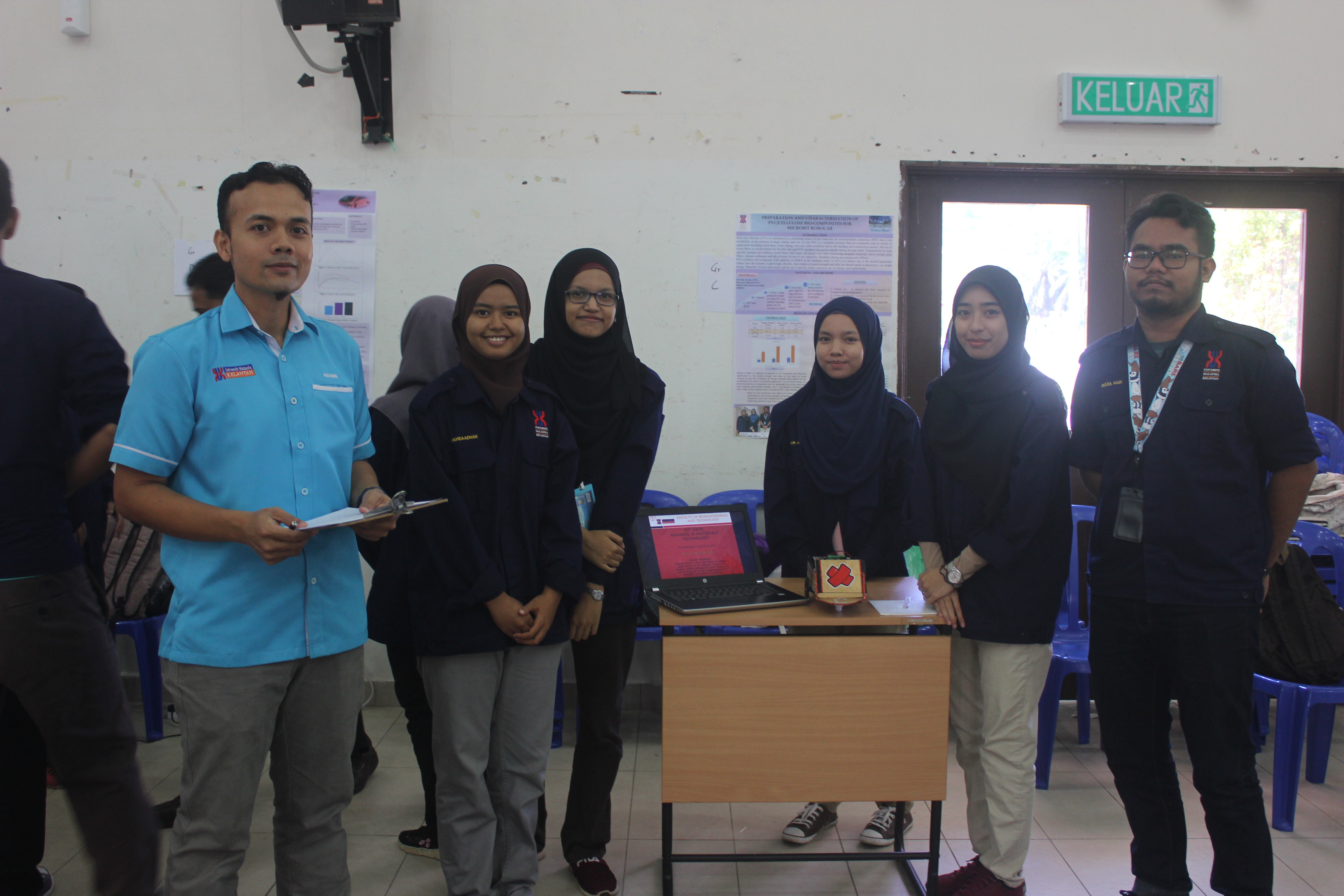
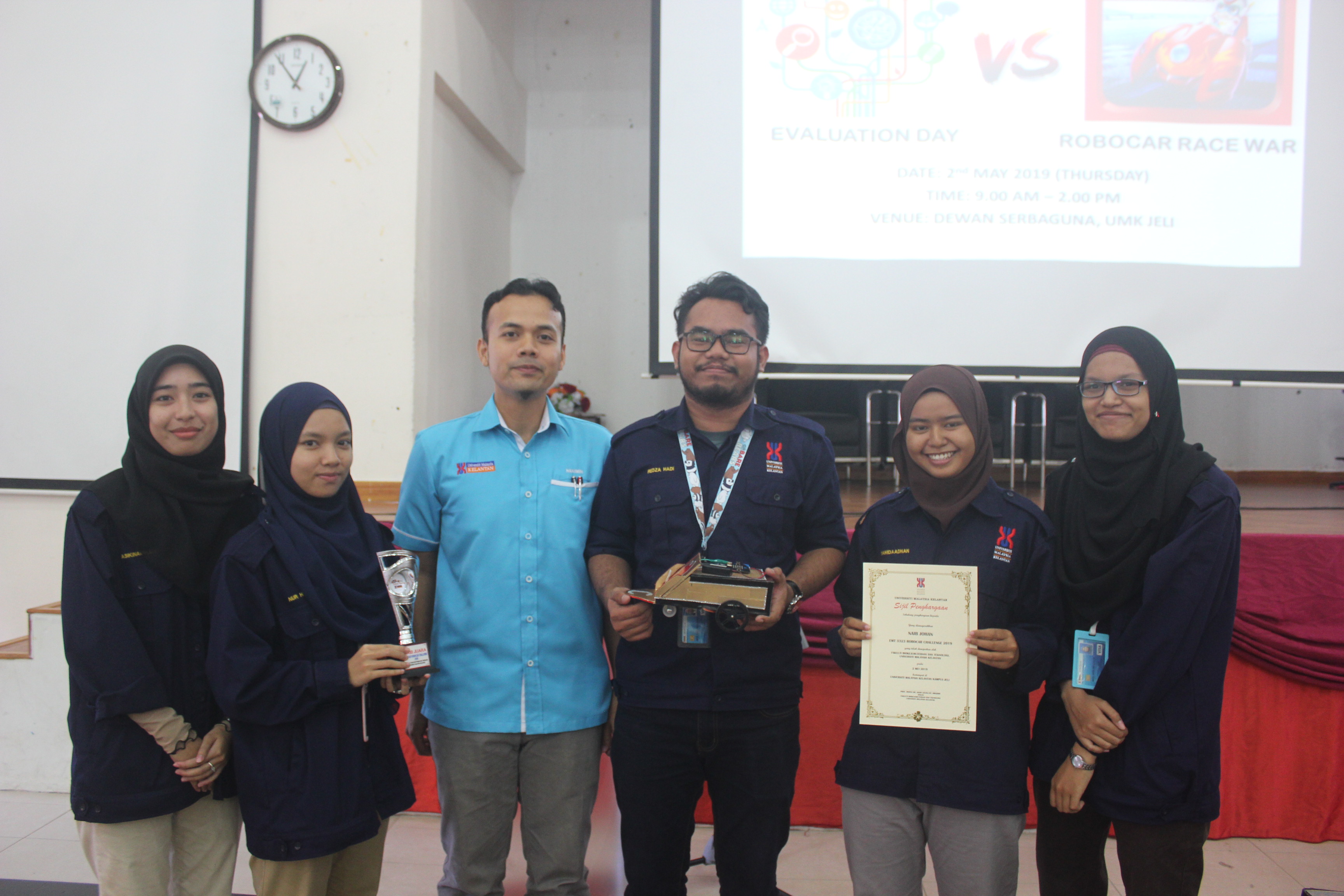
The figure above shows the photo of our group members with Dr Hakimin. This racing day will be the day to remember even after we left this university.
We were so suprised that we manage to get the second place in the robocar racing. We were so close to be a winner but its okay because for me, Furious Diesel will always be a winner in my heart. I am so proud with my group mates.
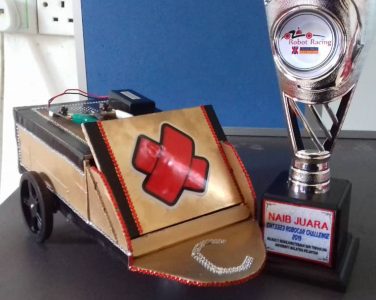
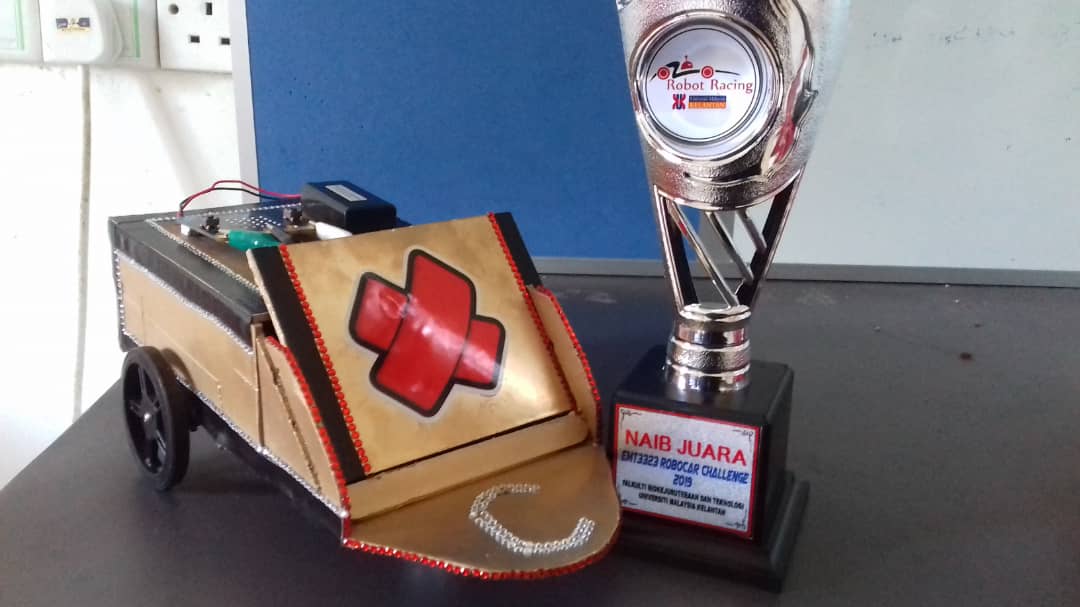
This was the trofi that we won in the robocar racing and on the left side is our robocar which we proud of.
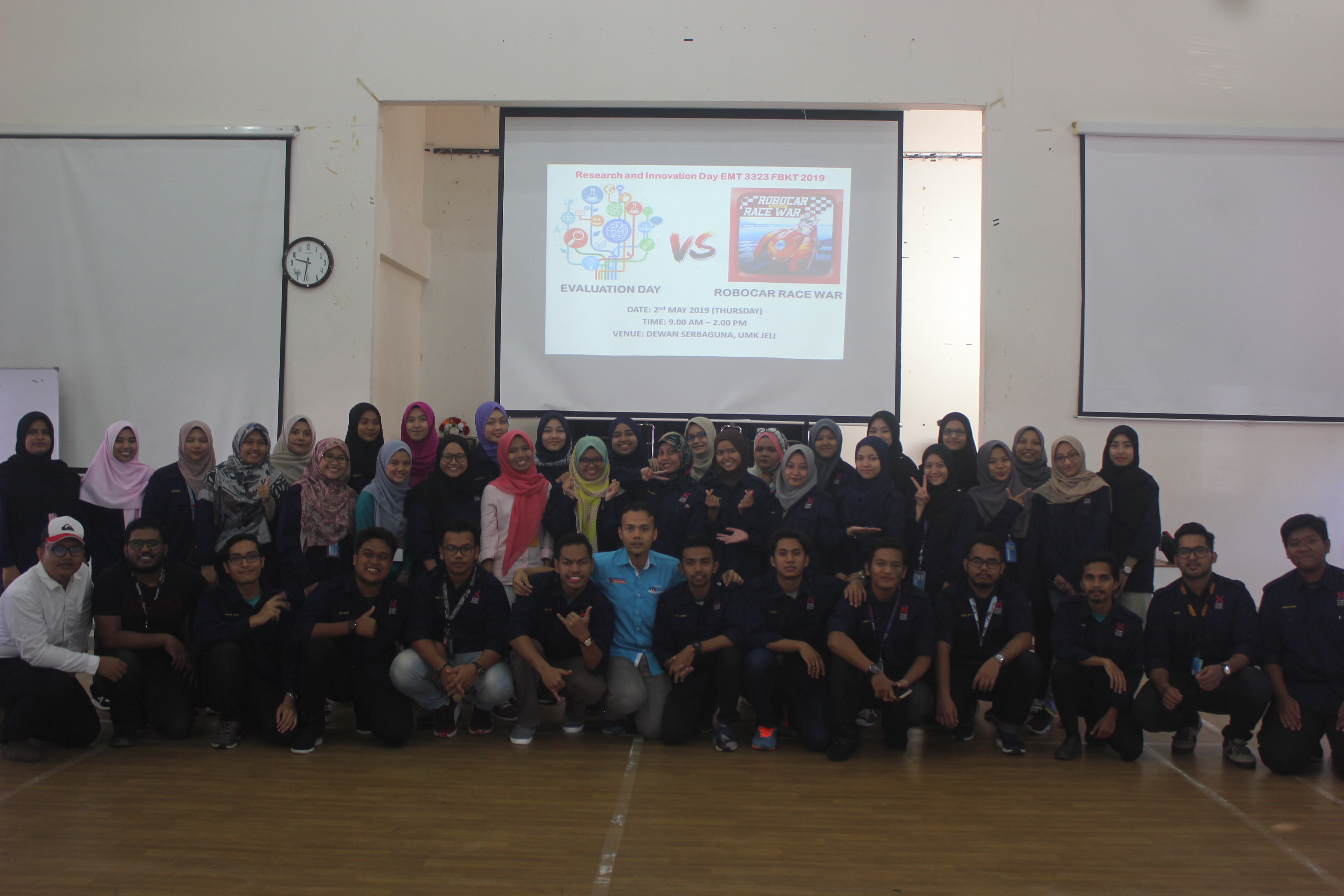
This is the picture of all SEB 3 that had contributed in the robocar racing event. It was a great experience. To those group that lose in the racing, its okay because being top 10 still can be considered as an achievement. Sometimes, we need to accept the fact even it is so hard for us to accept.
{Appreciation post}
Dear Dr Hakimin,
Thank you for creating this event which is the robocar racing day. It was a new experience for most of us and I believe that all of the SEB 3 will remember this memory untill forever. Thank you Dr Hakimin for all of the guidance and knowledge that had being shared to all of us. We will miss Dr Hakimin so much after this. Once again, thank you Dr Hakimin.
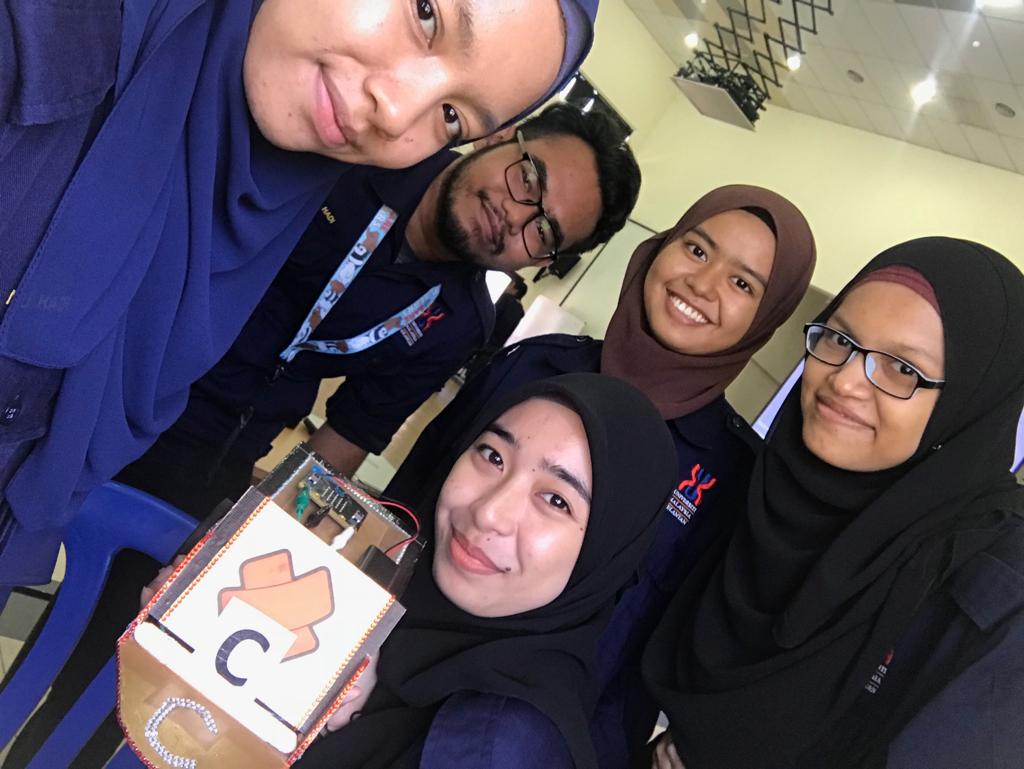
Dear teammates,
Thank you for being a good teammates. Thank you for all the knowledge and team works that everyone contribute in this project. Yes, we do have a misunderstanding but still we nailed it. This can be proved by being a second best group among ten groups that taking part in this racing. I LOVE YOU GUYS SO MUCH AND I WILL REMEMBER YOU GUYS TILL FOREVER.
LOVE,
SYIDA, ASIKIN, ATIKAH, HAZRYNA AND REDZA…
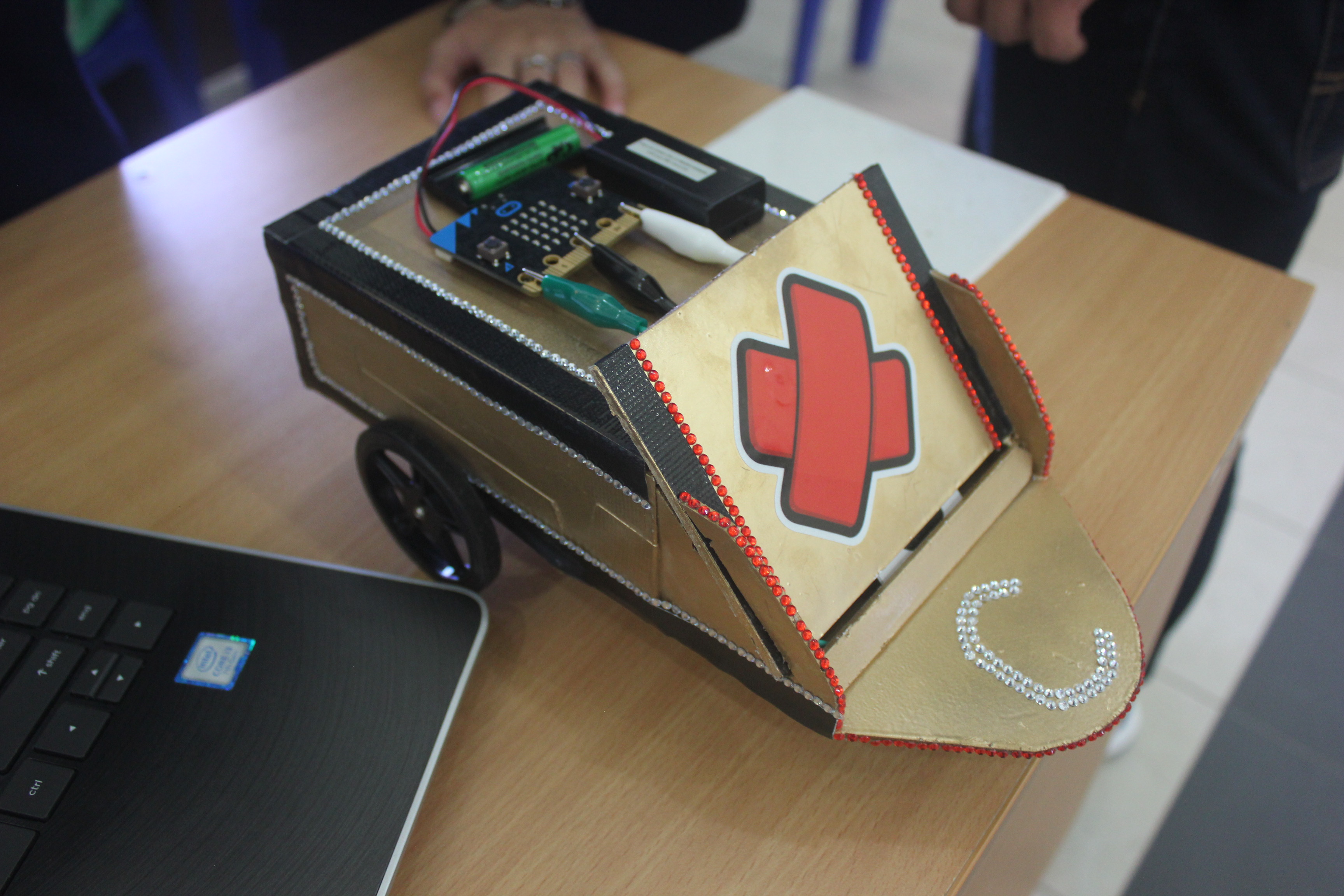
Our group microbit robocar design

This is our group microbit robocar design. We are so proud with ourselves because we are able to design a very great car compared to other group. If there is a trofi for the best car design, I believe that no group deserve it except our group. GO FURIOUS DIESEL. Dr Hakimin and the other examiner had admitted that our robocar is the most STYLISH compared to the other group. The combination of the materials, design and colour is just perfect.

The assemble of the mini robocar

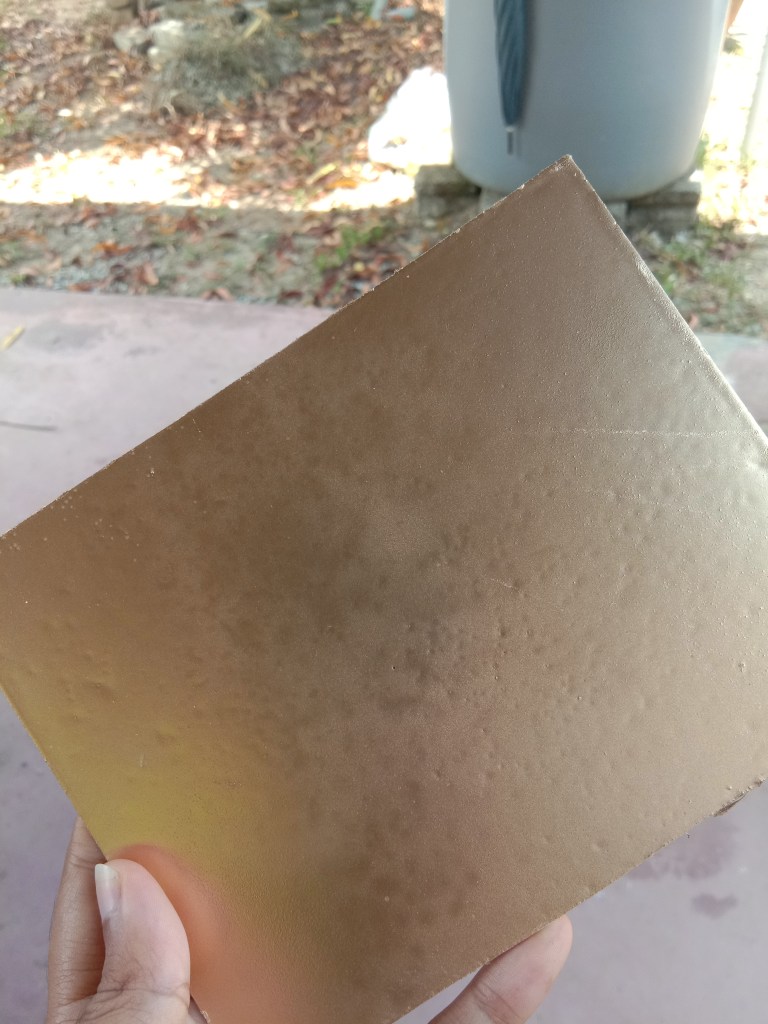
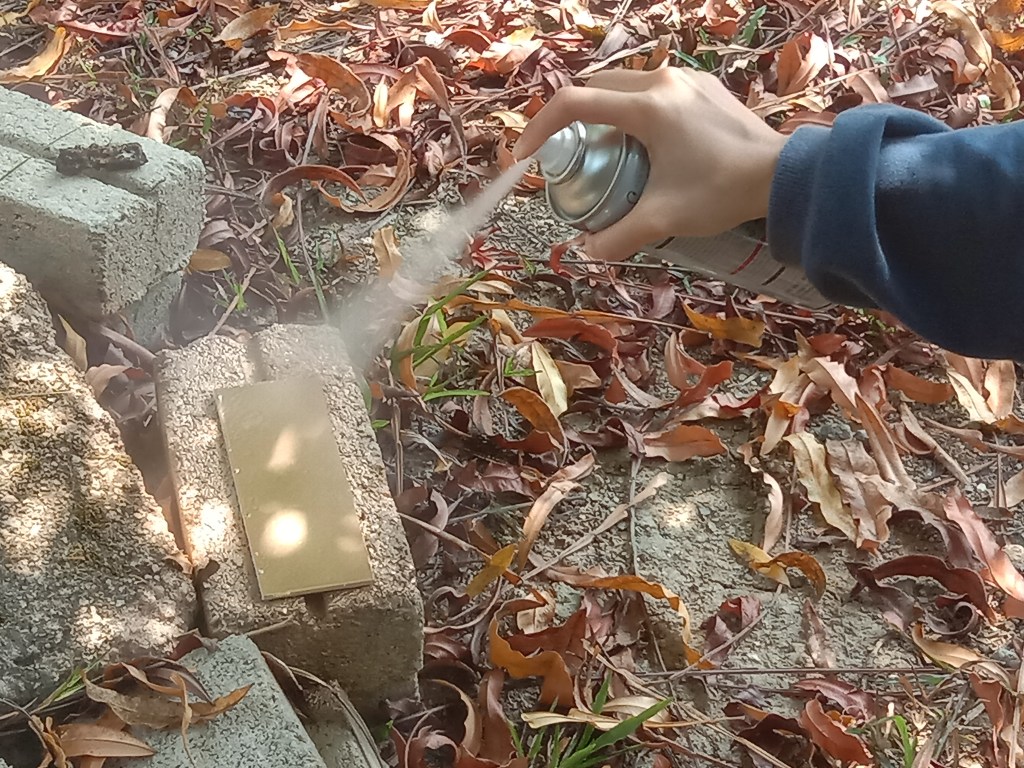
We decided to design a mini robocar which gold in colour. As the figure above shows the process to paint the biocomposite using spray.
The figure above shows the biocomposite which had been coloured.
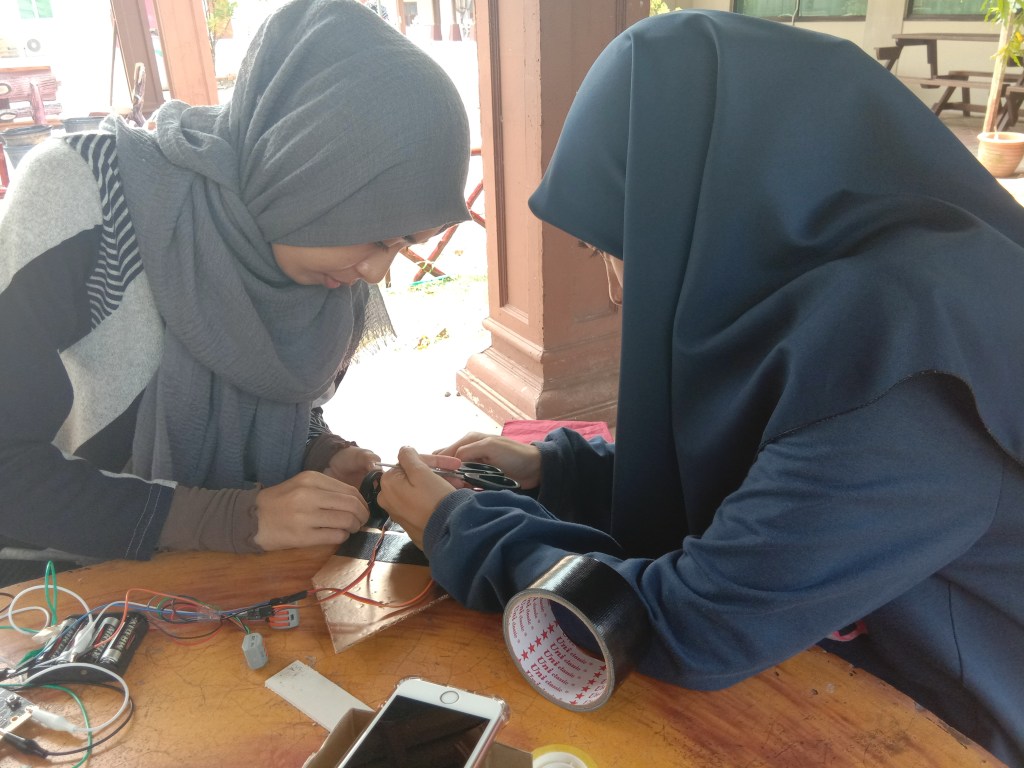
The figure above shows the process to assemble the mini robocar. As shown in figure above, Asikin(the most pro among us) and Hazryna were in a process to assemble the microbit part before forming a robocar.

The testing of PVC-cellulose bio composite

Today, we were conducting the testing procedure in order to test the strength of the pvc-cellulose bio composite. The testing that had been conducted were tensile test and 3 point bending test. The testing had been carried out by using Ultimate Tensile Machine (UTM) at Bengkel Teknologi Bahan with the assist of lab assistant in charge which is Cik Syahirah. Before the samples undergo the testing procedure, the three samples need to be cut first with the width of 3 cm. The testing procedure being carried out in order to identify which sample has the better property in term of strength and also elasticity.

Preparation of the samples

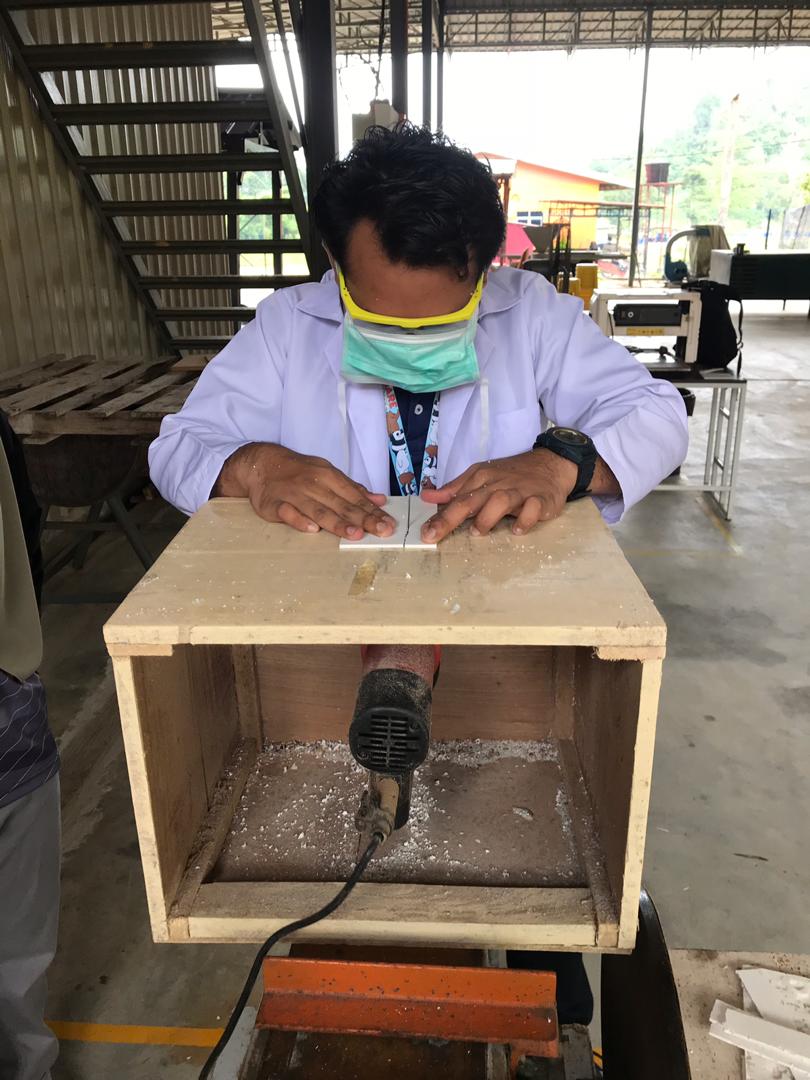
The figure above shows the first step before testing which is cutting process of the samples. As we can see above, Redza was cutting the sample with the specific measurement by using the cutter. After the cutting process, the samples were ready to be tested.

Tensile test

The tensile test has been carried out in order to identify the tensile strength of the samples. The testing being carried out by using Ultimate Tensile Machine (UTM). The sample with a good strength will be used as the main material for making our robotic car.

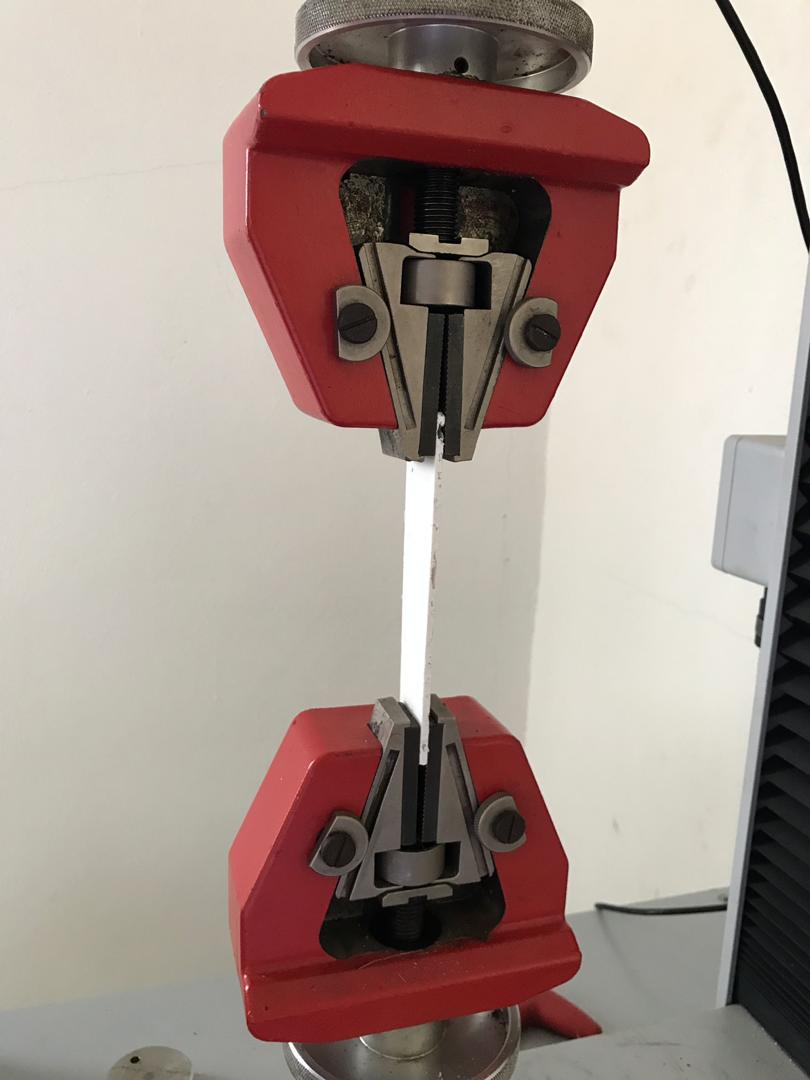
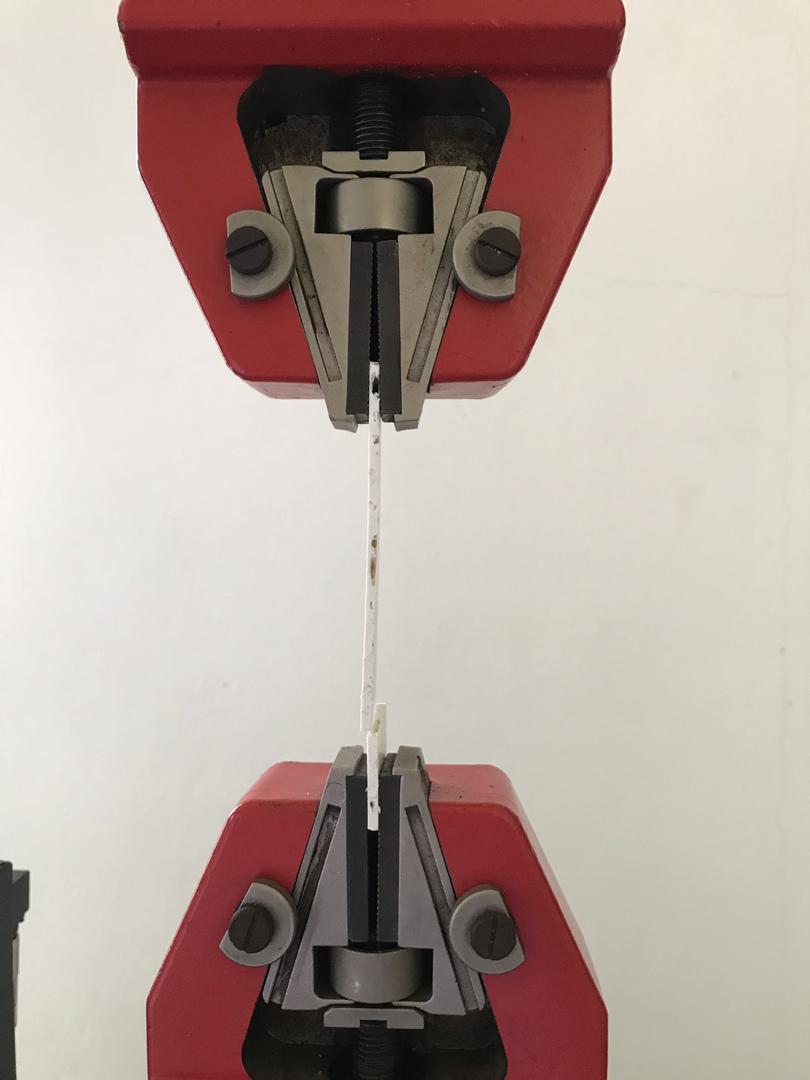
The figure above shows the condition of the sample before undergo tensile test.
The figure above shows the condition of the sample after undergo tensile test. As we can see, there was a breaking point at the end of the sample.
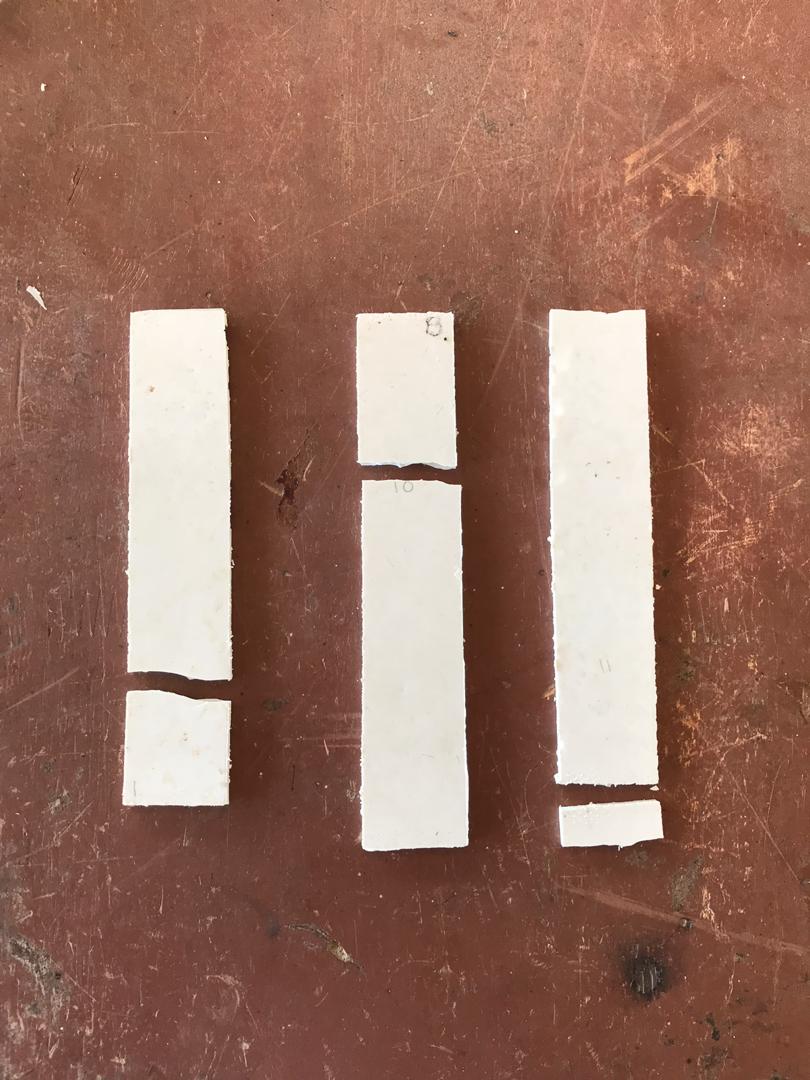
The figure above shows the condition of the three samples after undergo tensile test. On the left is the pvc sample, followed by pvc+15 g cellulose(middle) and pvc+30 g cellulose(on the right). From the figure above, we can see that all of the samples undergo breaking at the same area but with different time needed for breaking to occur.

3 point bending test

The 3 point bending test was carried out mainly to identify the elasticity of the samples.

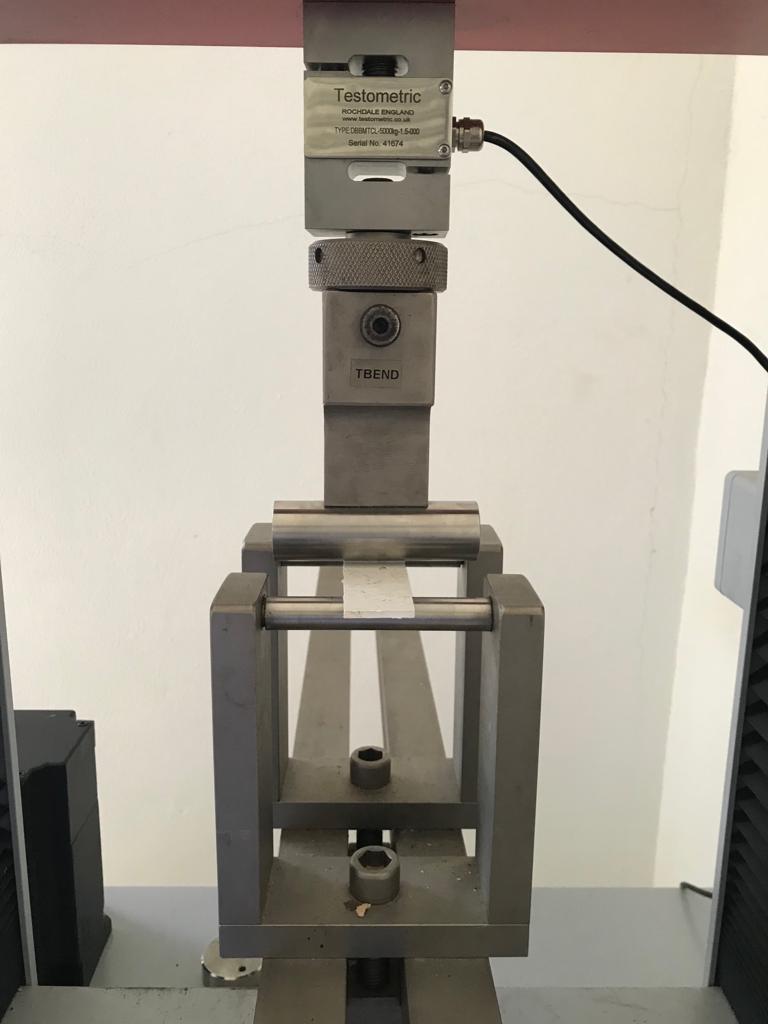
The figure above shows the condition of the sample before undergo 3 point bending test.
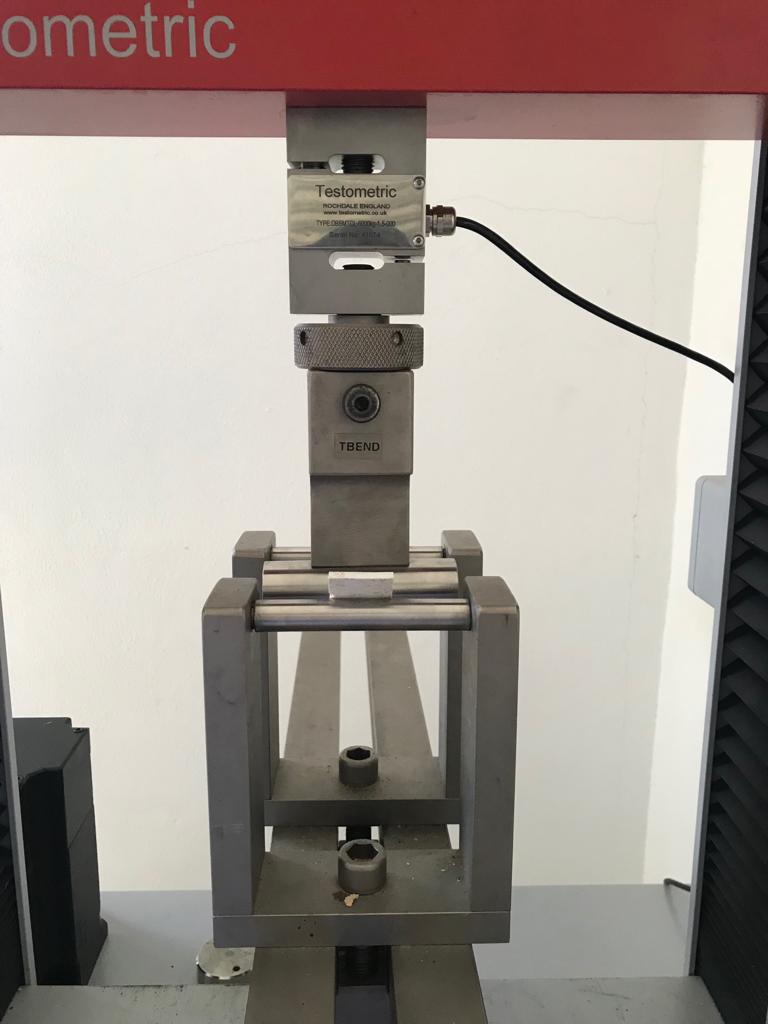
The figure above shows the condition of the sample after being undergo 3 point bending test.
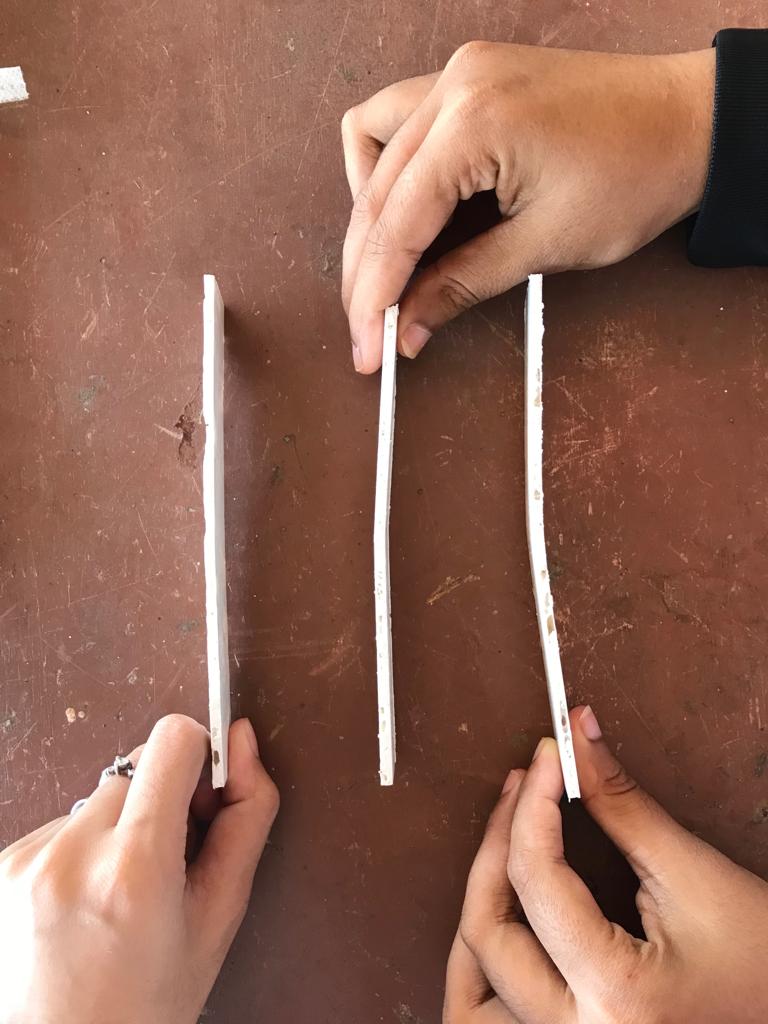
The figure above shows the condition of all the three samples. As we can see, all the samples showed some bend structure but with different bending amount. From left: pvc sample, pvc+15 g cellulose and pvc+30 g cellulose(right).
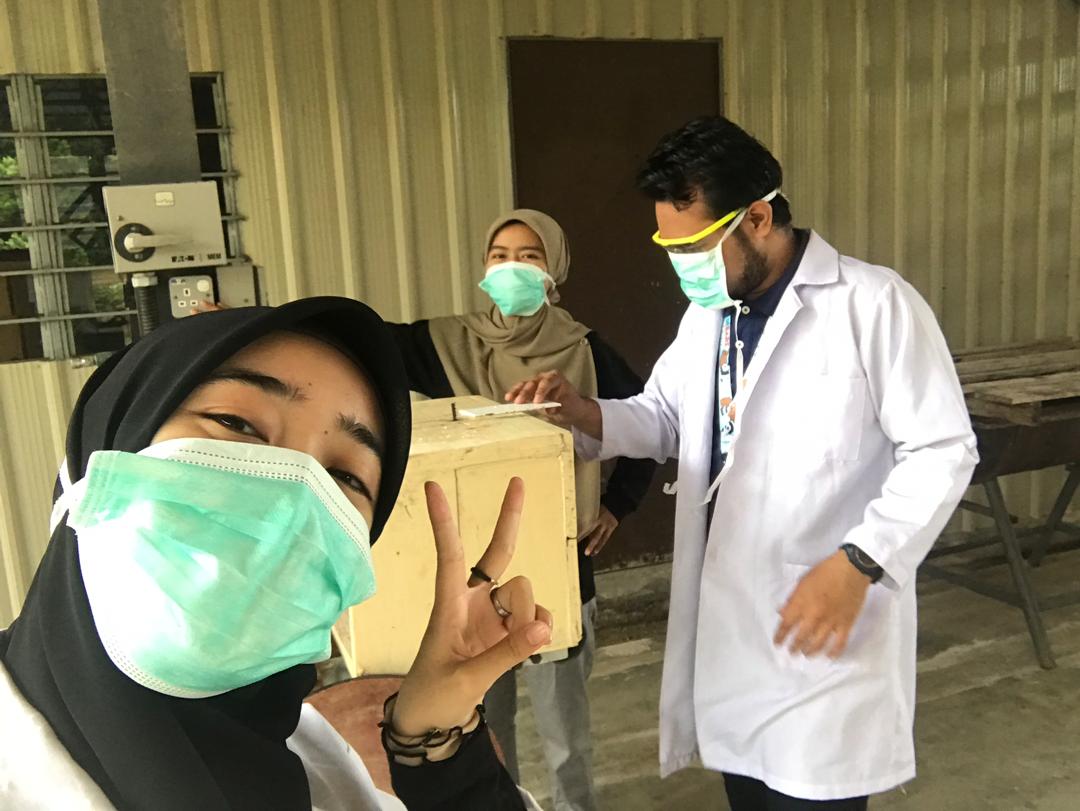
The figure above shows the three members of our group which are Asikin, Syahida and Redza. As we can see, we were smiling ( even though we wore mask, lol ) with the hope that we manage to produce the robotic car on time with a good design and performance. Our smile shows that we are hoping to be a winner on the racing day so that all the hard work paid off. 😉

The briefing and trial of microbit car coding by Dr.Nor Hakimin

Today, Dr. Nor Hakimin had briefed us about the microbit car coding. Each groups were having their own microbit car set and we need to create our own car design using the components given. The coding technique had being briefed by Dr. Nor Hakimin and it such a great session as we were so excited to create our own coding. The microbit car set were so cool and great as we can create our own design and pattern on the microbit with sound effect can be inserted.

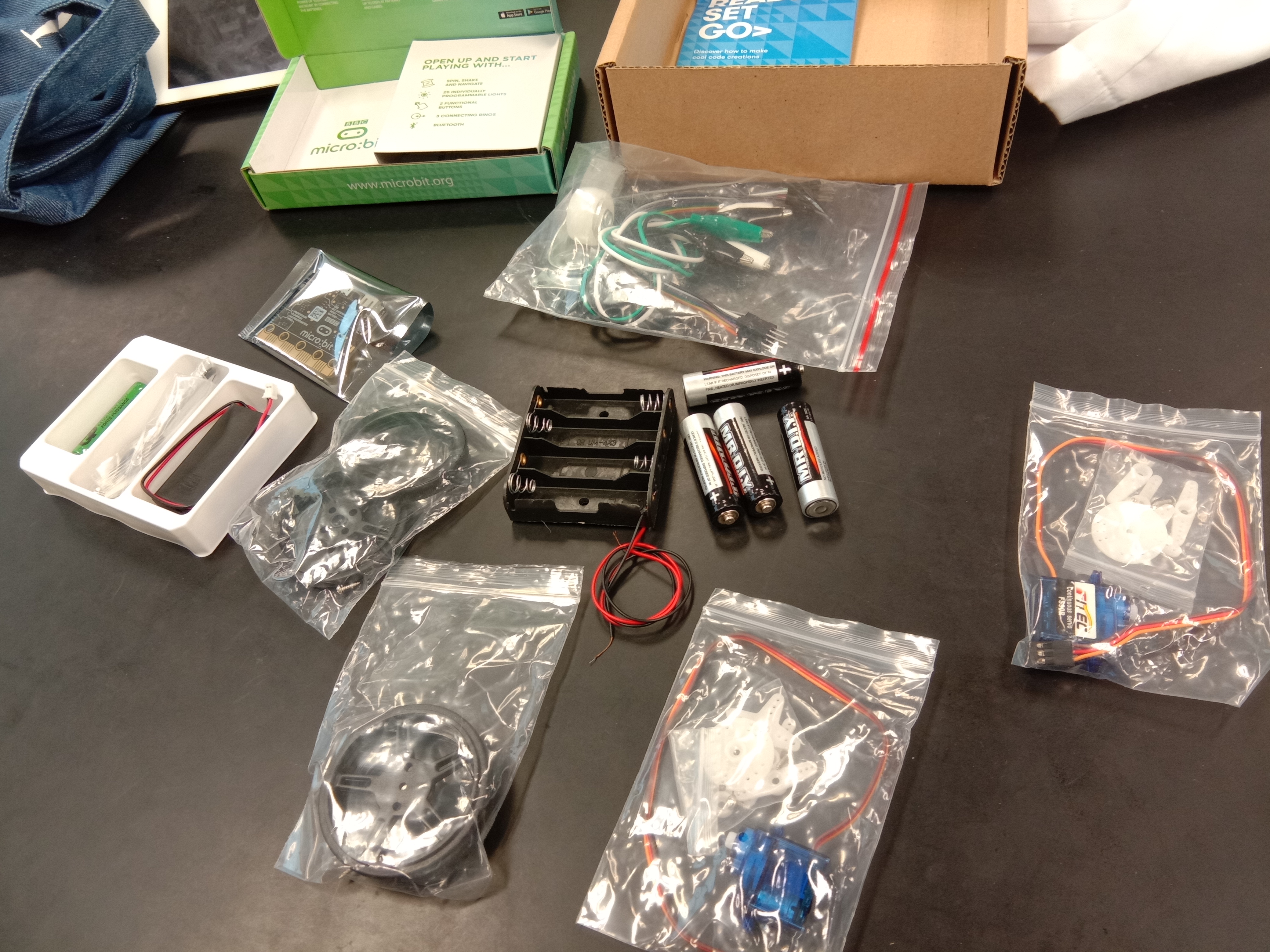
The figure above shows the components of microbit car. Each group needs to create their own car design by using the different types of composite that have been chosen and prepared.
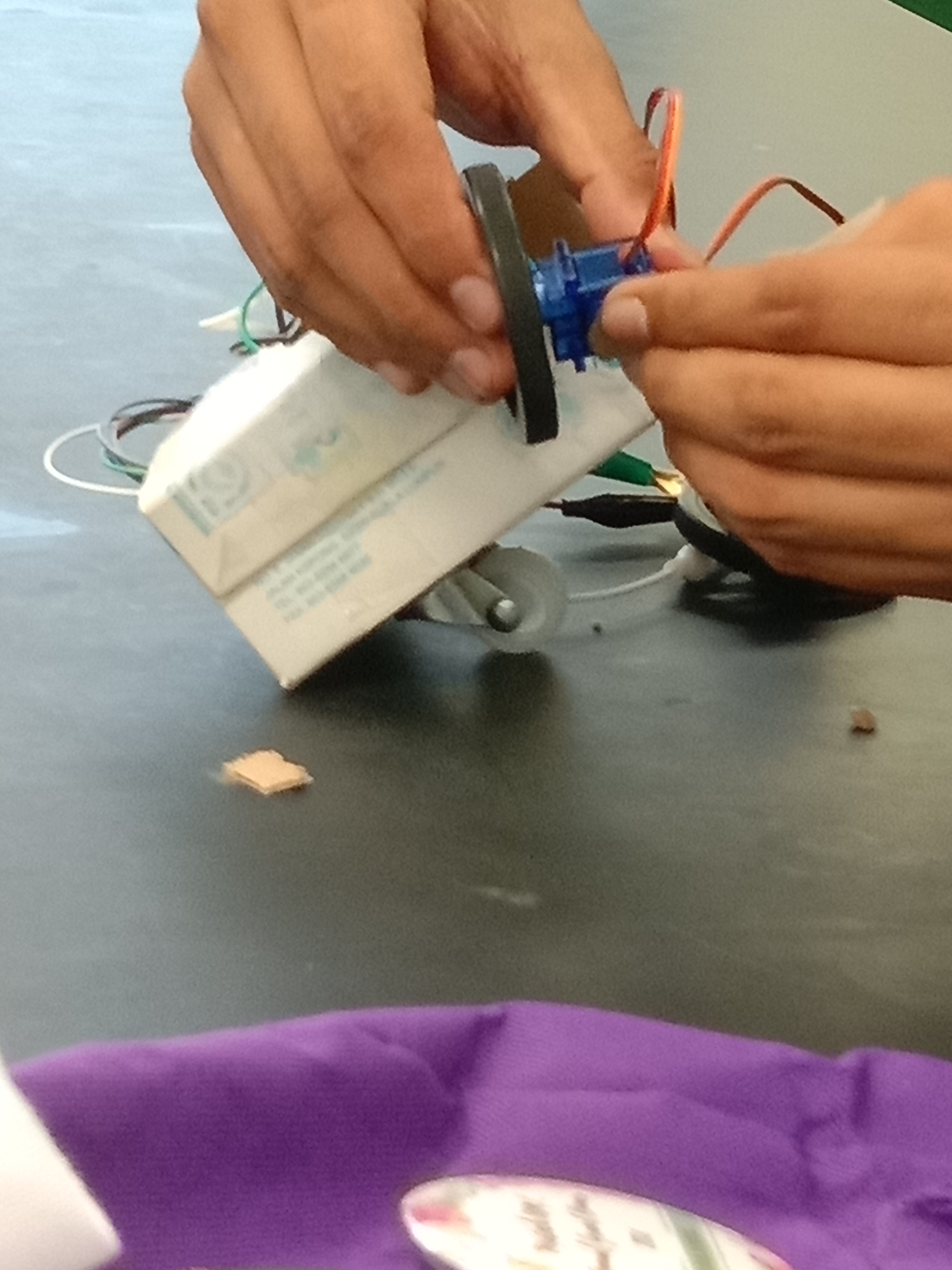
The figure above shows the part of assembling process of the microbit car. It was such a complicated task but we managed to do it and we survived. We were ready to bring the points home and getting number one in the racing. Come on and bring the racing event on. We are ready to win.*If we lose then we will delete this

The preparation of PVC-cellulose bio composite by using hot press technique (laboratory)

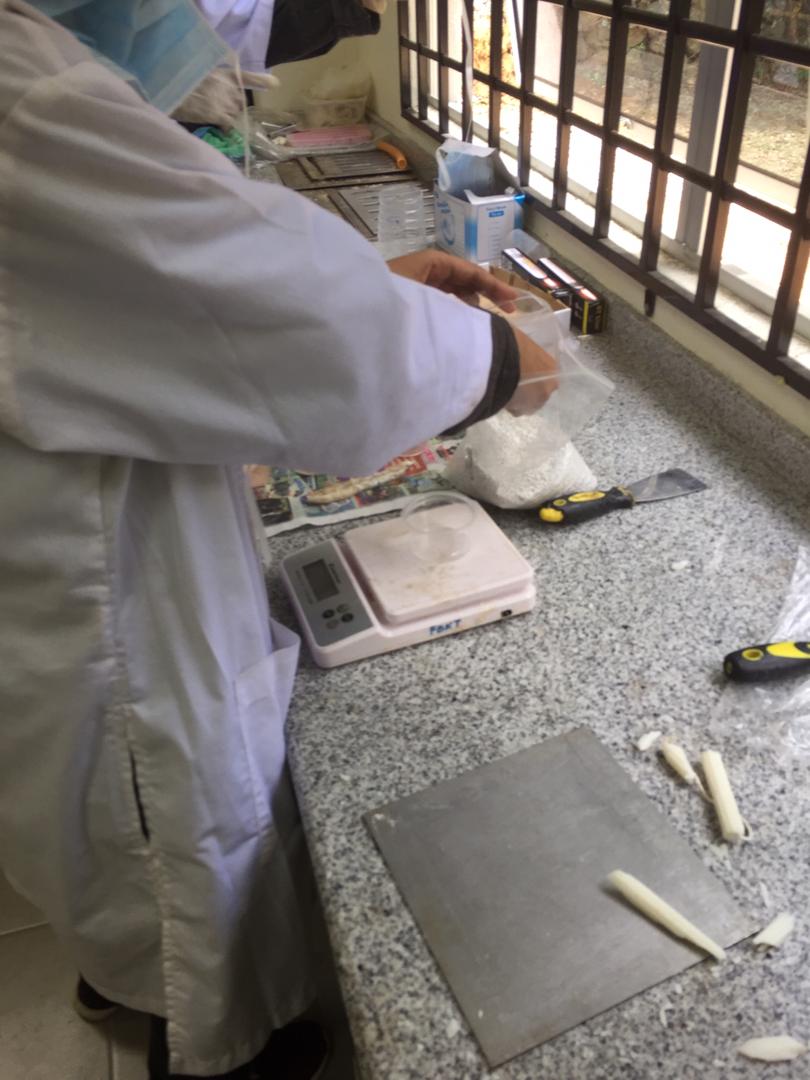
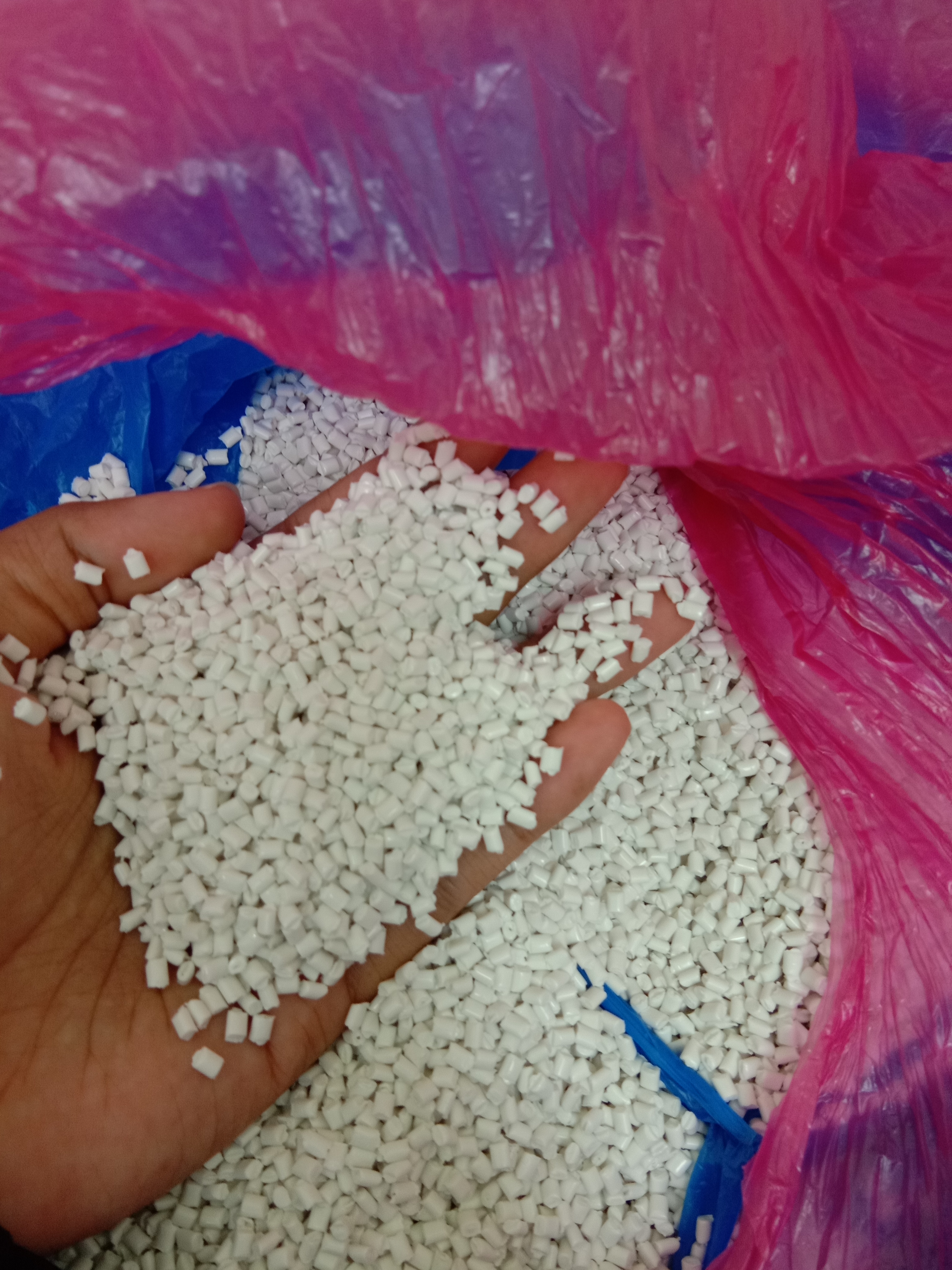
The figure above shows the process of weighing the PVC pellet.
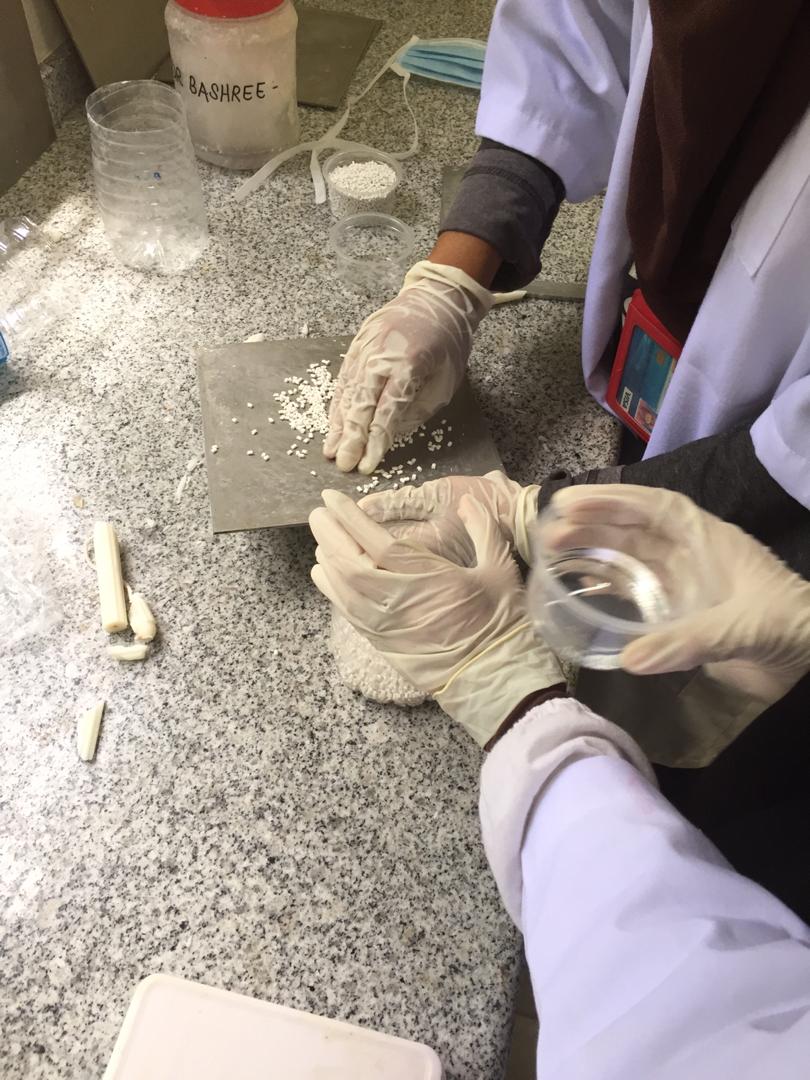
The figure above shows the mixing process of PVC,cellulose and MEPK until homogeneous mixture is obtained before being poured onto the mold.
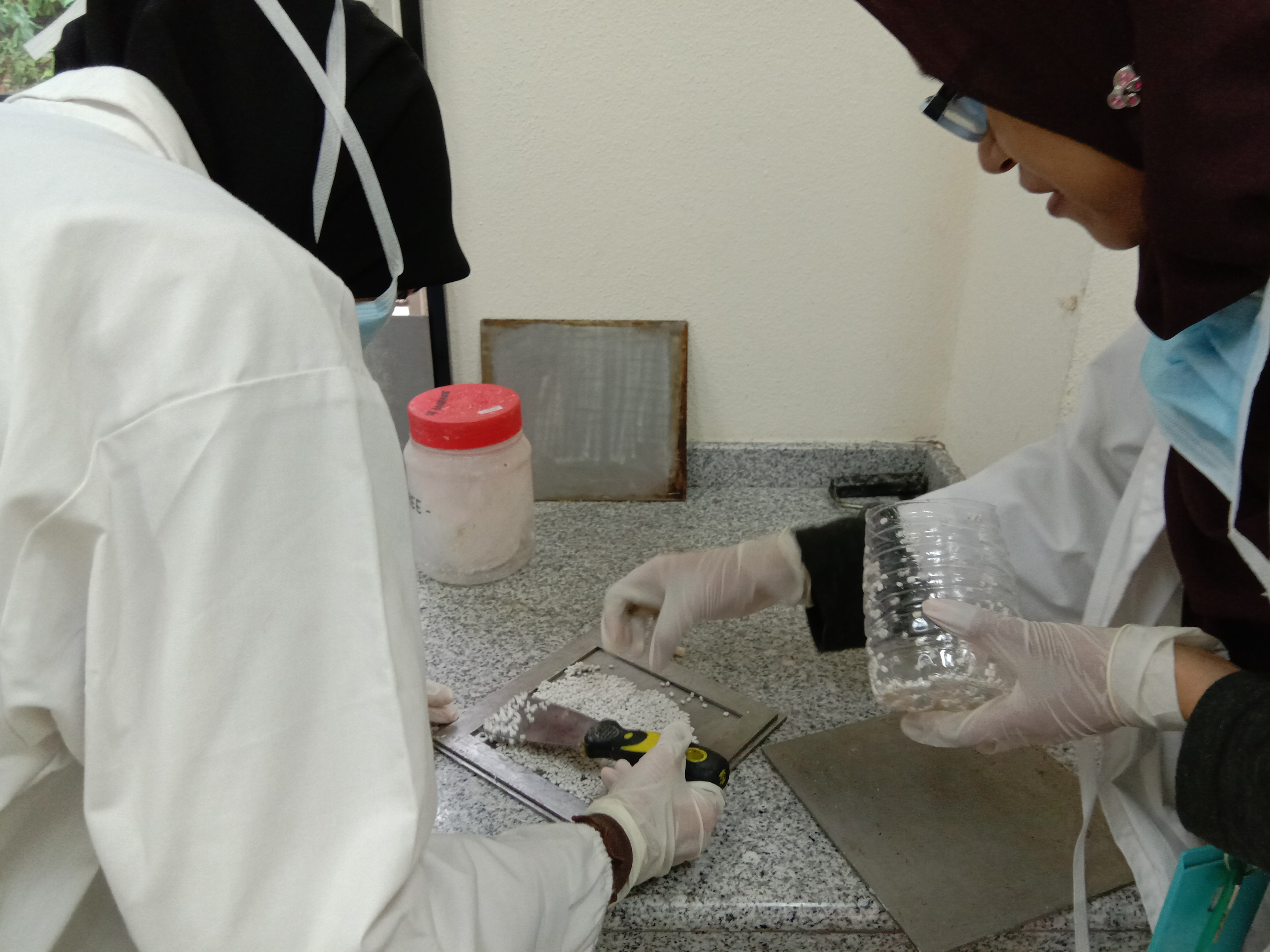
The figure above shows the process of pouring the mixture onto the mold. The size of the mold is 15 cm x 15 cm with the thickness of 0.3 cm. As we can see above, our group members were scattered the PVC pellet on the mold so that all the mold area was filled with pellet.
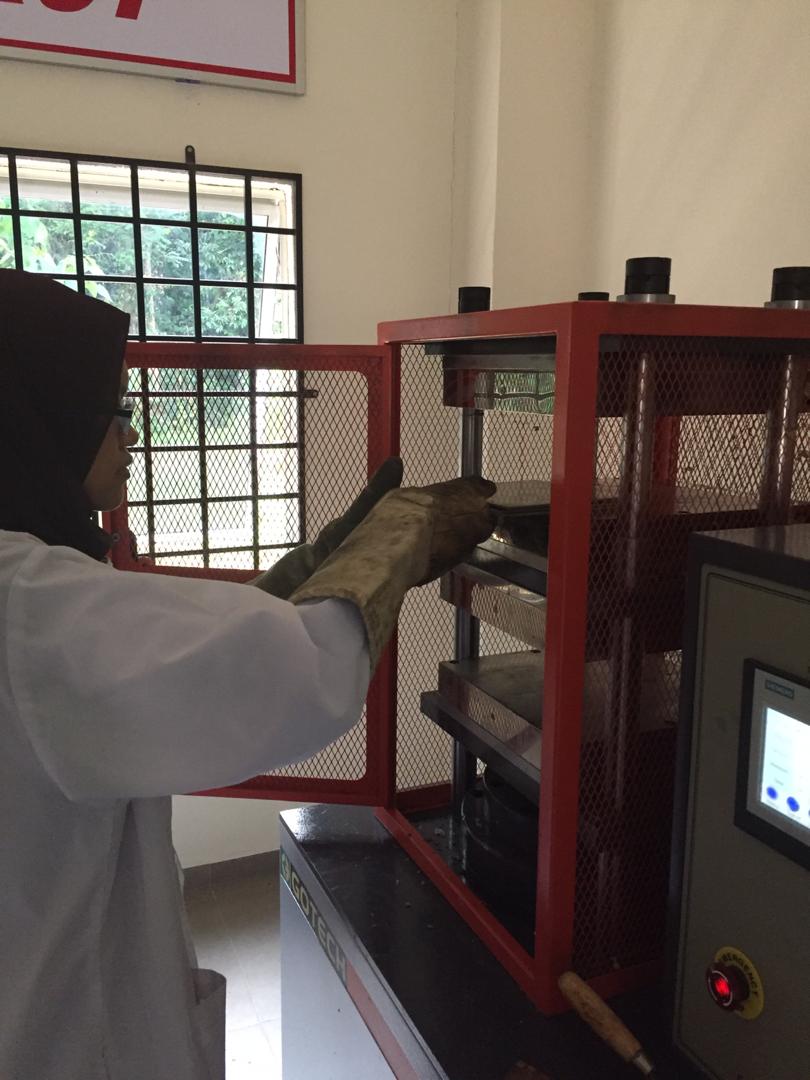
The figure above shows that our sample was ready to undergo hot press procedure. One of our group members was inserting the mold into the hot press with the condition stated on the previous entry.
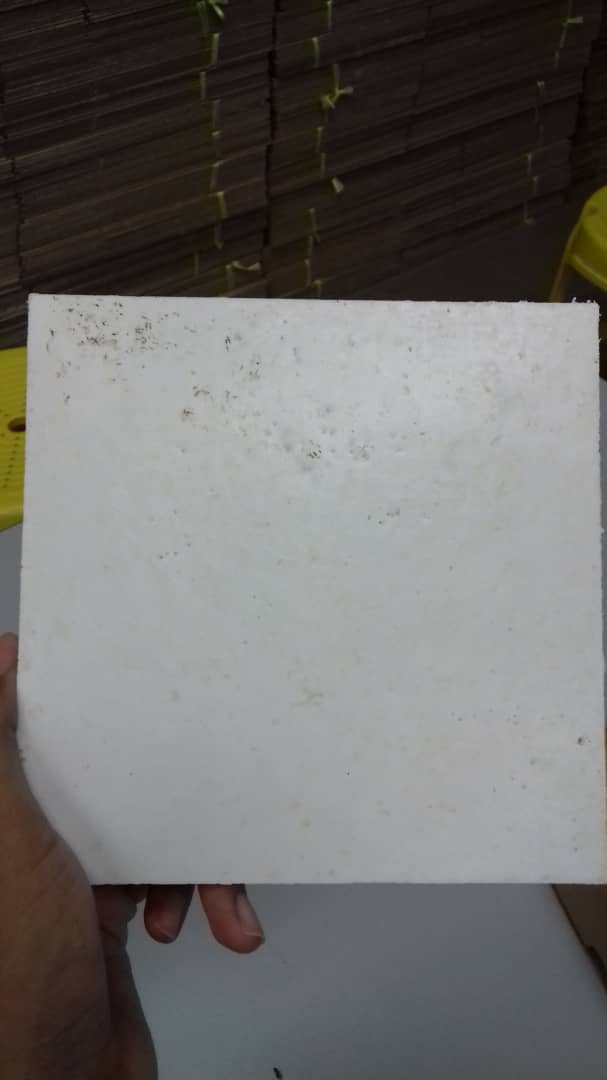
The figure above shows the finished PVC sample without cellulose content after undergo hot press procedure.
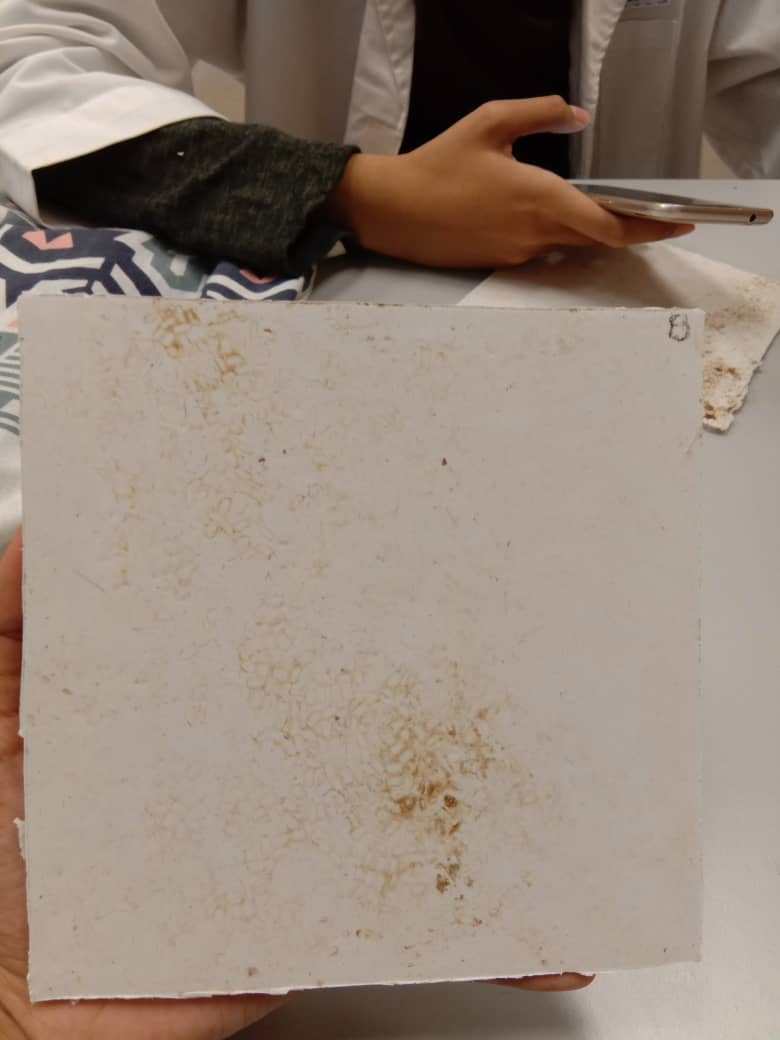
The figure above shows the finished sample of PVC with 15 g of cellulose after undergo hot press procedure.
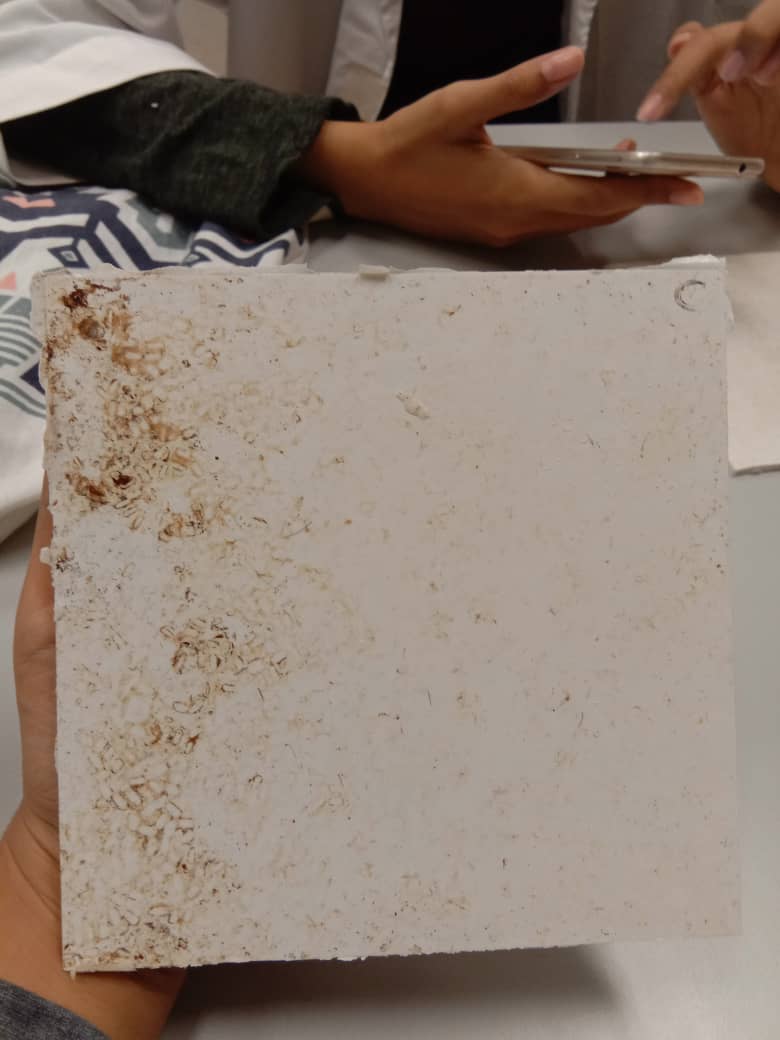
The figure above shows the finished sample of PVC with 30 g of cellulose content after undergo hot press procedure.

The preparation of PVC-cellulose bio-composite by using hot press

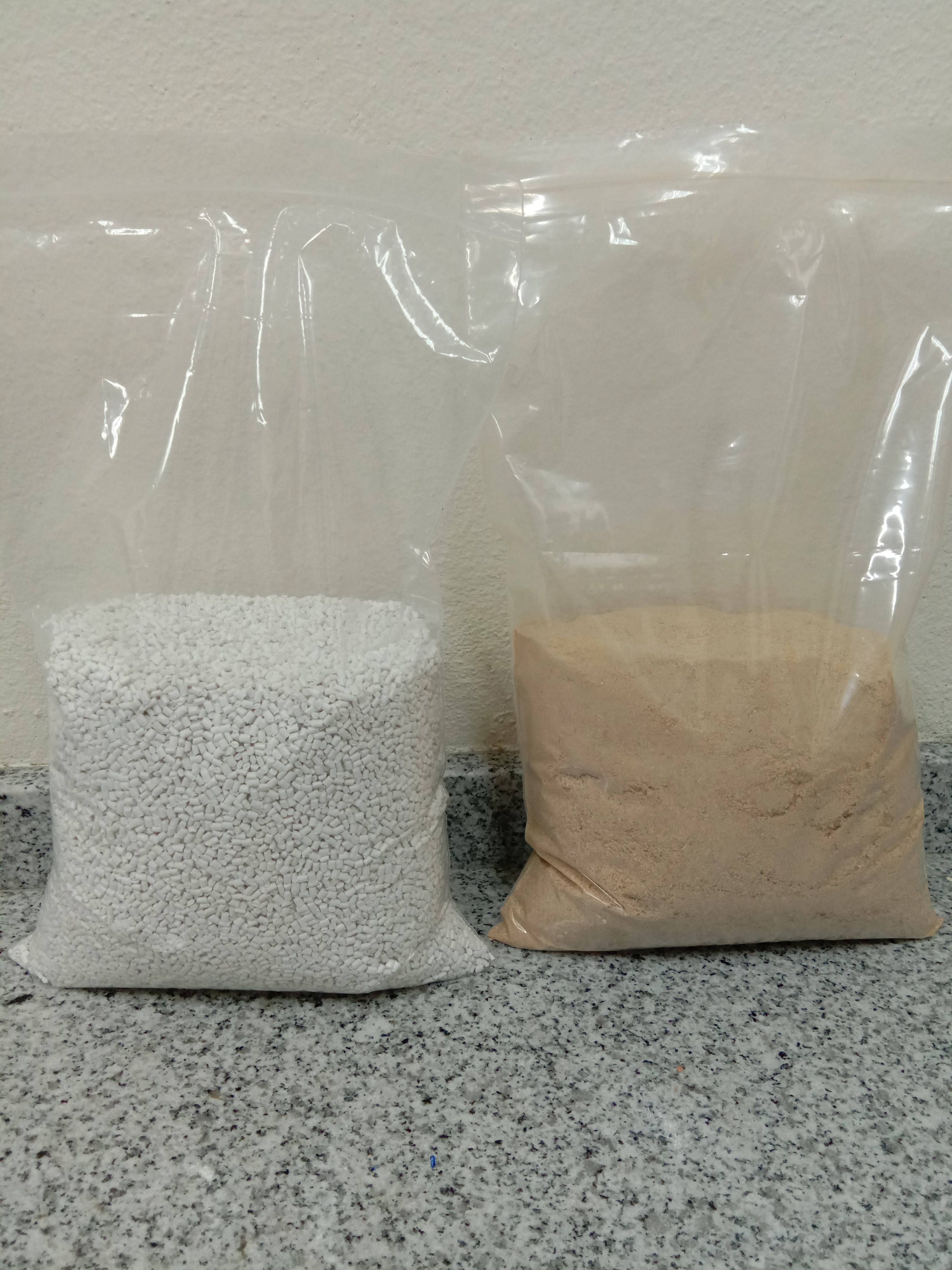
The PVC-cellulose bio-composite were prepared by using hot press technique with three different samples with different amount of cellulose added. The first sample was prepared without the addition of cellulose, second sample with 15 g of cellulose was added while third sample was prepared with 30 g of cellulose. The amount of PVC pellet and hardener used which is Methyl Ethyl Ketone Peroxide (MEPK) is constant for every sample which is 50g and 5 g respectively. The 3-point bending, tensile test, FTIR and water adsorption test will be carried out in order to identify the properties and strength of the samples.

The hot press technique was carried out where:

  1. preheating time:10min
  2. heating time:10min
  3. cooling time:3min
  4. temperature:190 degree celcius
  5. pressure:8tonne

Cellulose extraction process using oil palm trunk(OPT)

Our group had decided to use PVC-cellulose as the main materials in the making of robotic car. The first step that we need to do is that the cellulose extraction from oil palm trunk. The extraction of cellulose only needs a simple process where the OPT will be dissolved in the distilled water. They will be cooked in the pressure cooker for an hour.

The cellulose extraction step:

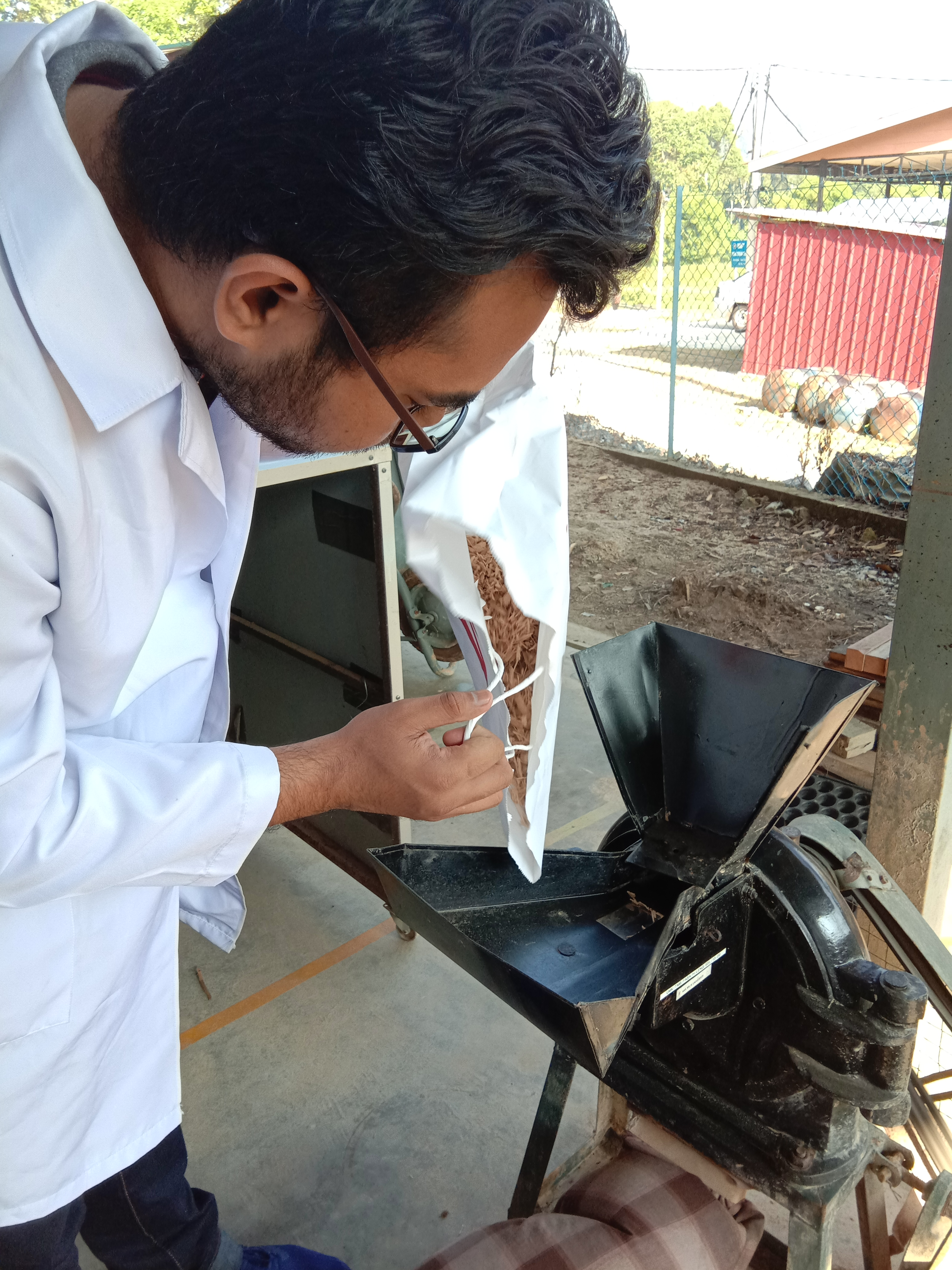
The first step is that the OPT needs to be grinded using the grinder untill fine powder is produced. As the figure above, our group member, Redza is pouring the OPT into the grinder for grinding purpose.
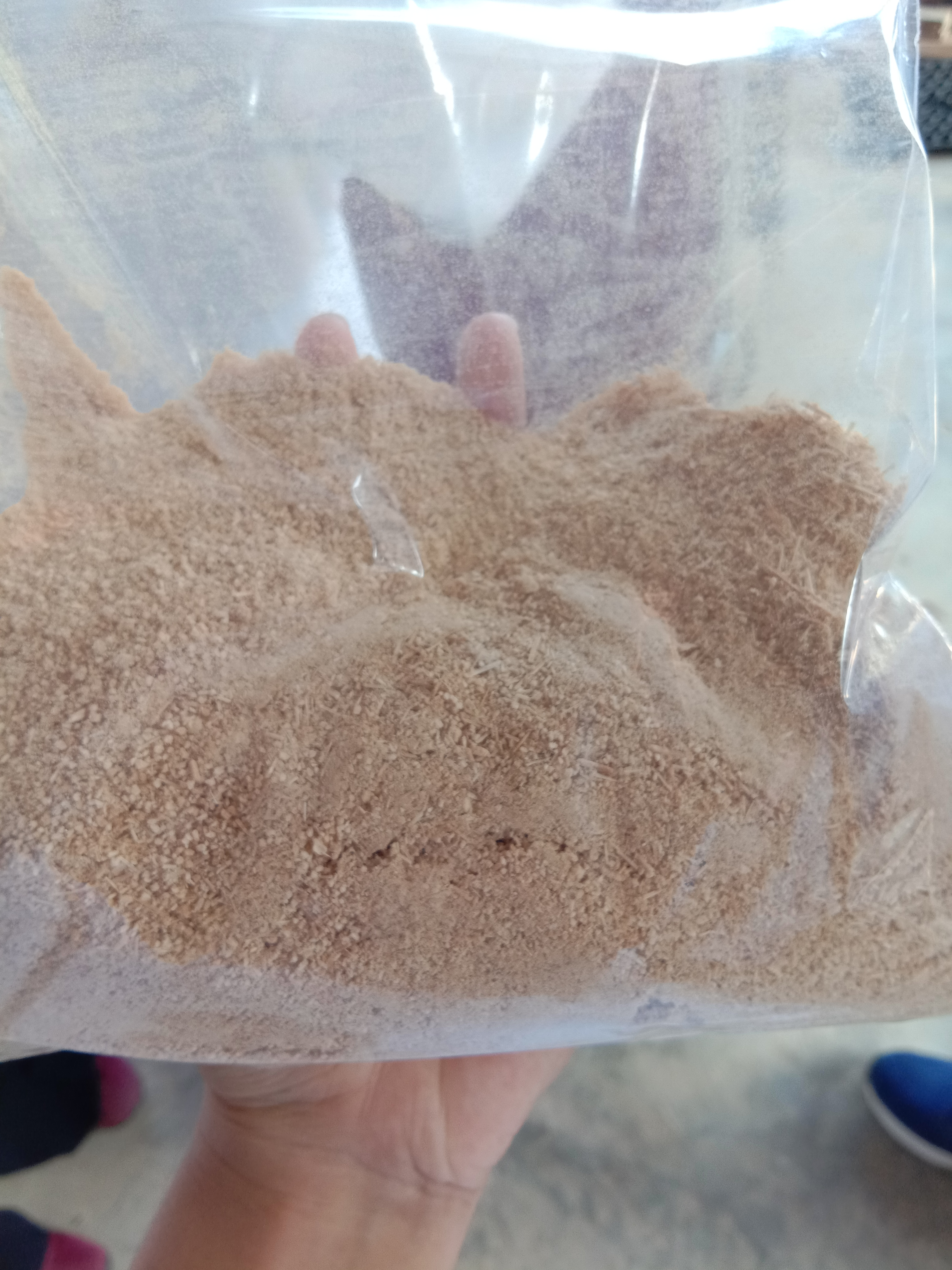
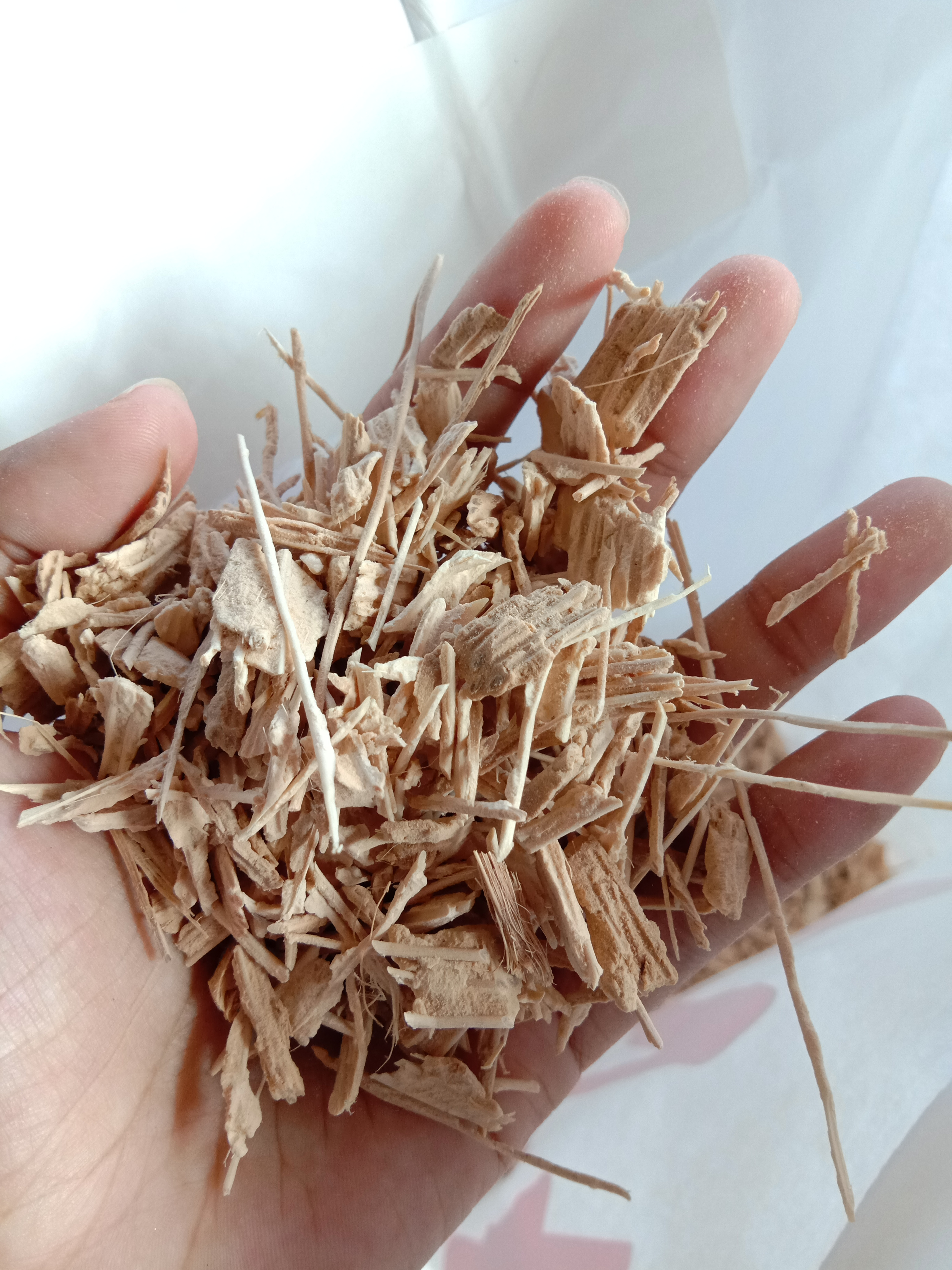
The figure above shows the OPT powder after undergo grinding process. The OPT powder will be used in the cellulose extraction process.
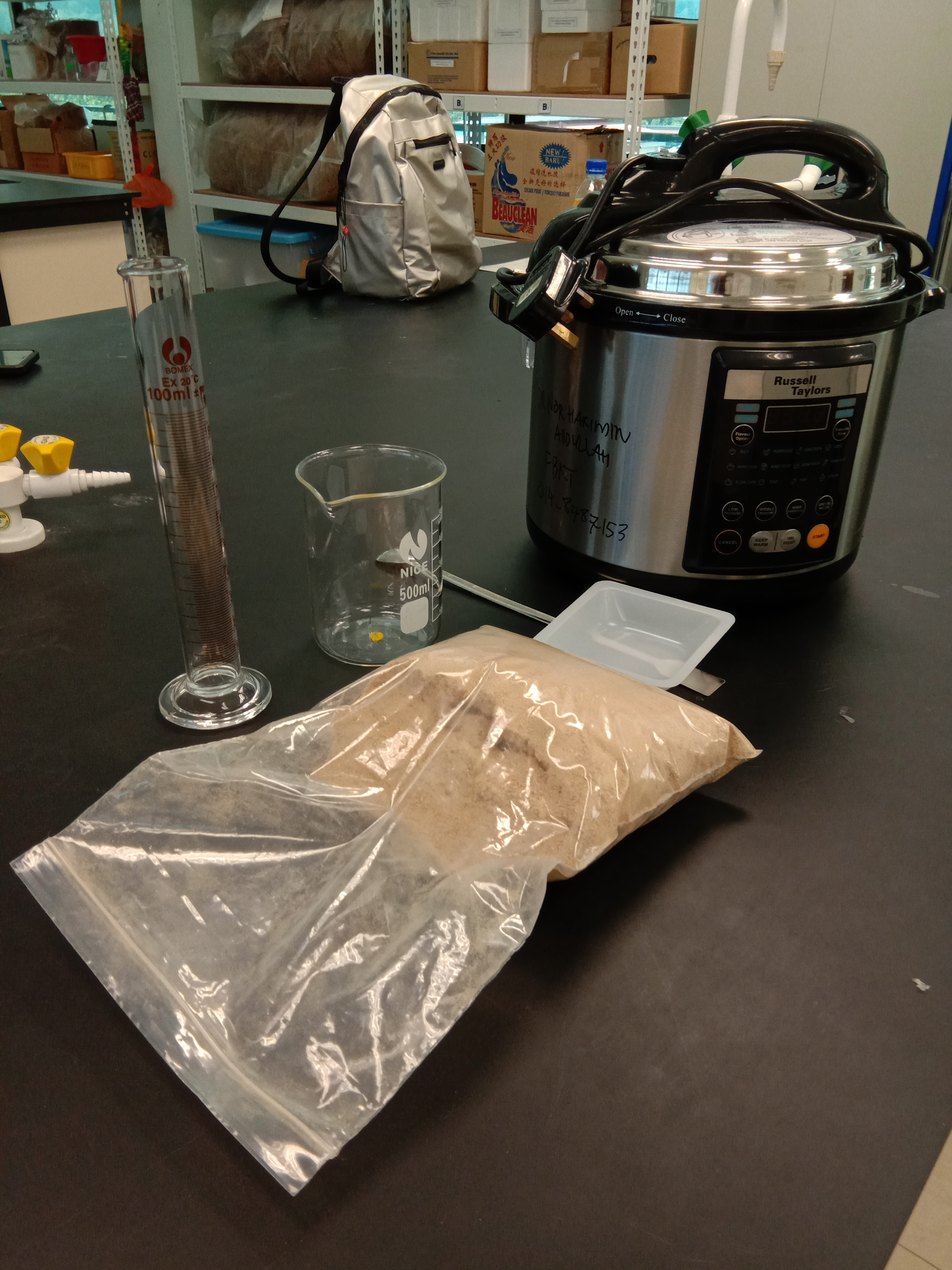
The figure above shows the materials and apparatus need in the cellulose extraction process.
Materials: OPT powder, Distilled water
Apparatus: Pressure cooker, 1000ml beaker, spatula and measuring cylinder.
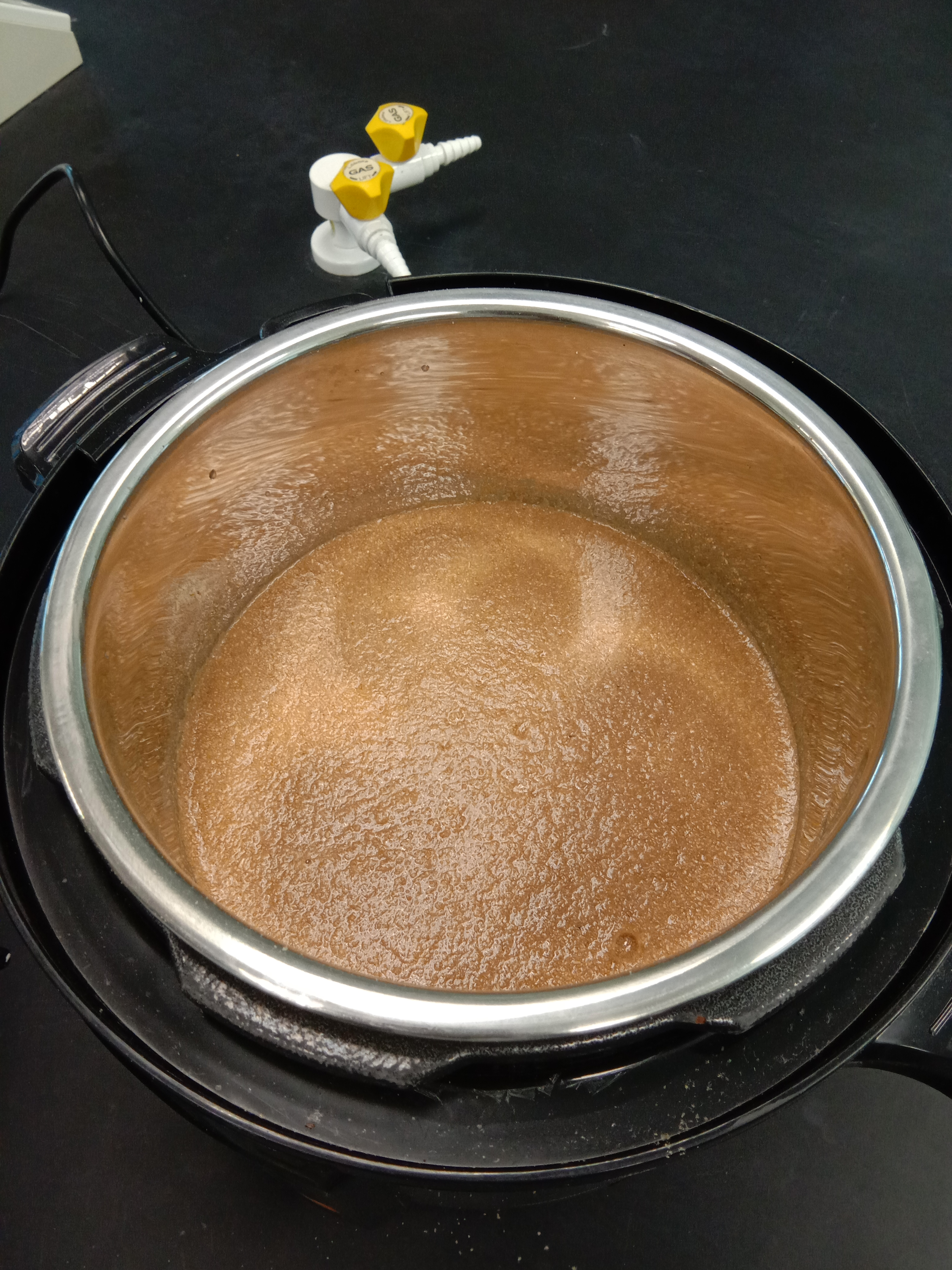
The figure above shows the mixture of OPT and distilled water in the pressure cooker. The ratio used in the cellulose extrction is 100:1000, where 100g of OPT powder will be mixed with 1000ml of distilled water. The extraction process will be carried out within one hour.
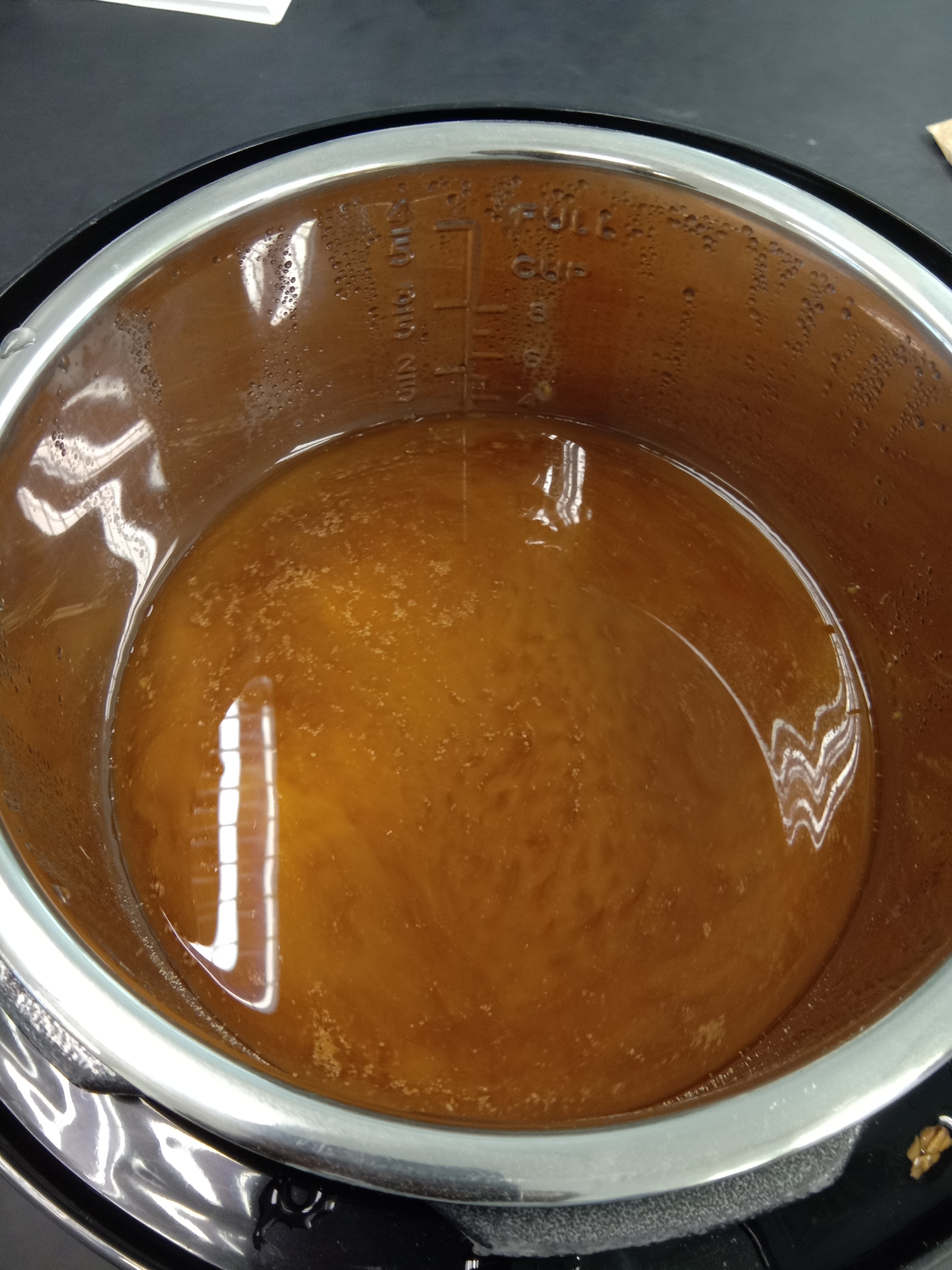
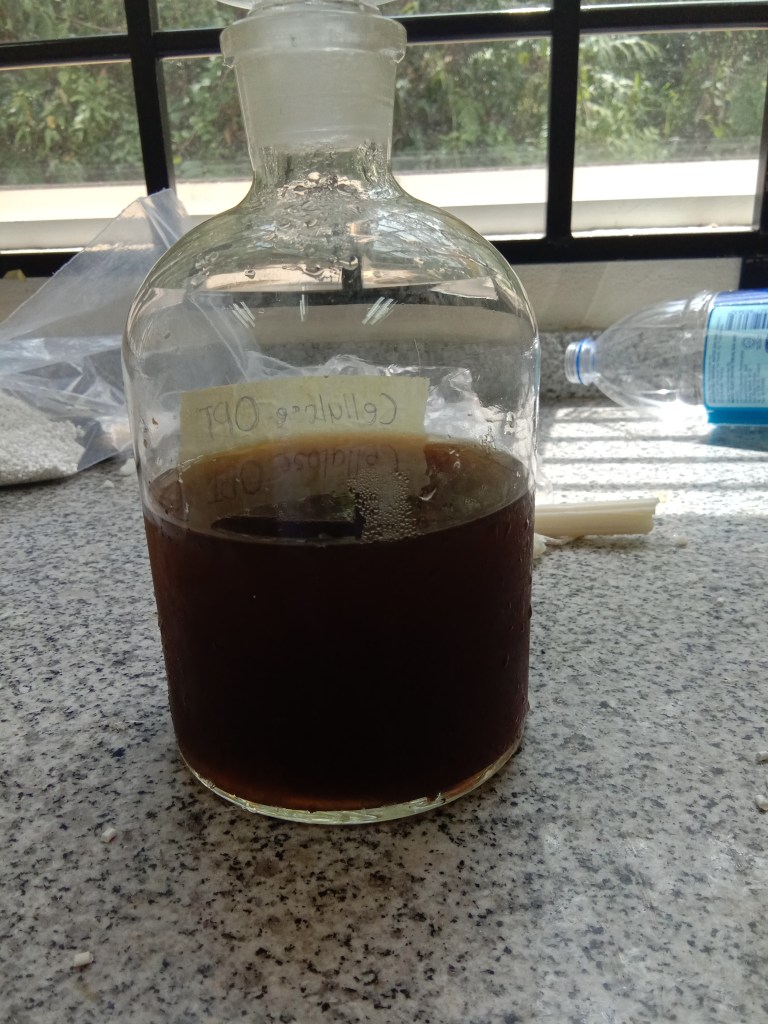
The figure above shows the cellulose obtained after one hour extraction process by using the pressure cooker. The cellulose solution will be sieved to remove undissolved OPT.
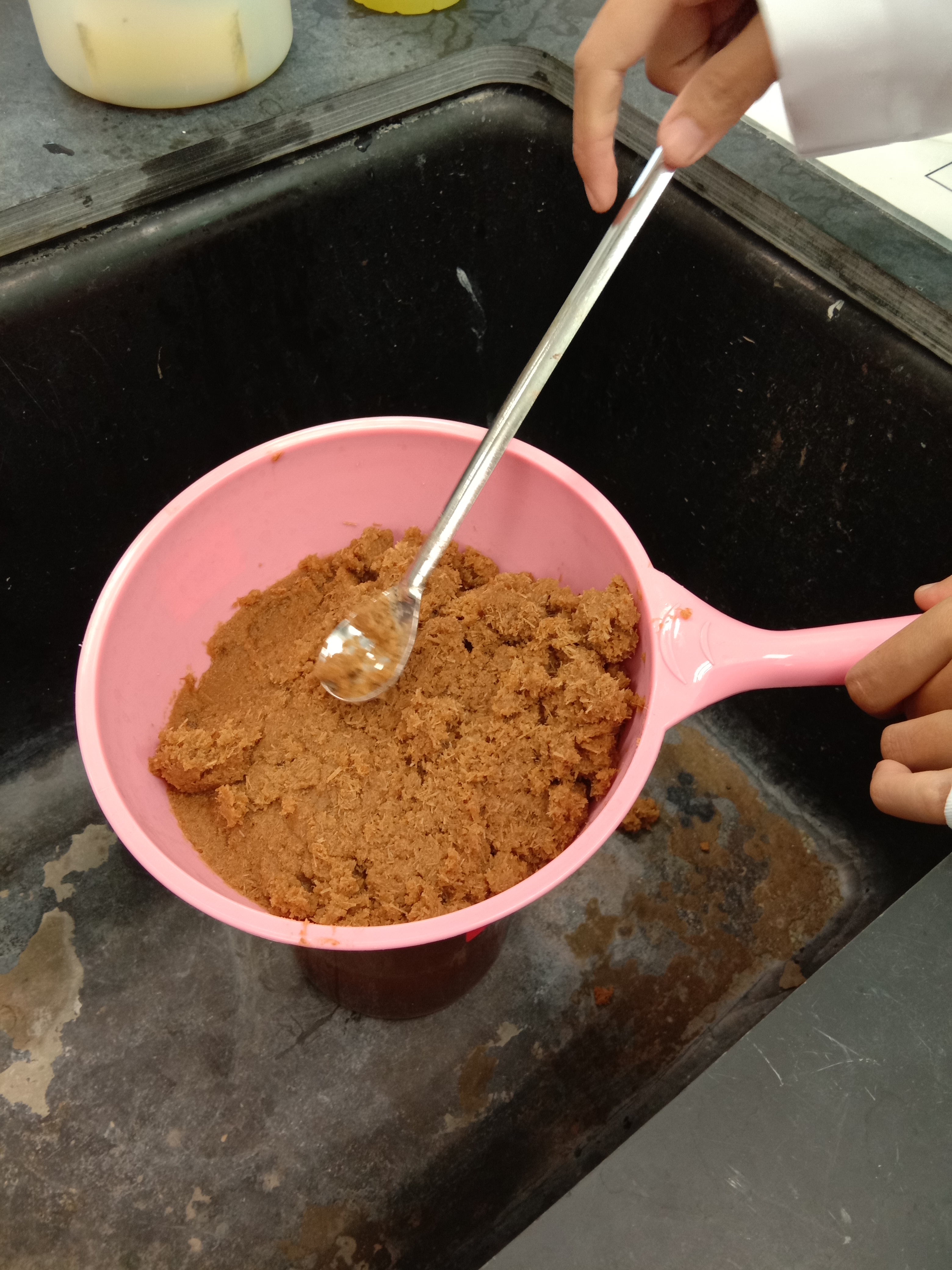
The figure above shows the process of sieving, where the OPT was pressed by using spatula to separate the cellulose solution from undissolved OPT.
The figure above shows the cellulose that have been extracted from OPT.

The selection of polymer for robotic car project

The type of materials have been finalize during the discussion. The materials that we use are Polyvinyl chloride(PVC) and cellulose from oil palm trunk(OPT) as the reinforcing material. The selection of cellulose is not only as reinforcing material in the robotic car but also to make the car has biodegradable property. This is a good alternative for better environment.

PVC is chosen as our main polymeric material because:

1)PVC is readily available and cheap

2)PVC has a good tensile strength

3)PVC has high hardness and good mechanical strength

The reasons why we use cellulose as the reinforcing material is due to the abundant sources, simple preparation method and can offer a biodegradable property.